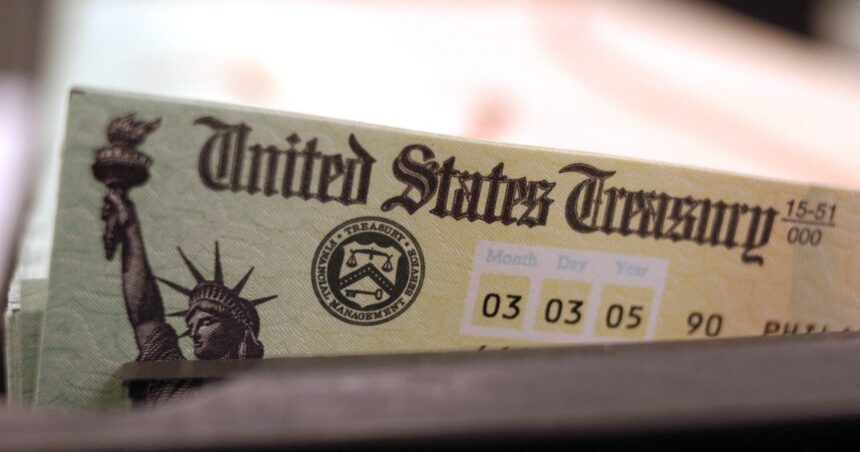
After 85 years of issuing paper checks to retirees, the Social Security Administration (SSA) is transitioning to electronic payments in a significant modernization effort. Starting September 30, the SSA will discontinue paper check distributions to its nearly 70 million recipients, opting instead for either direct deposit or prepaid debit cards.
A representative from the SSA stated in an email to CBS News, “We have been communicating directly with beneficiaries since July 1 and have worked diligently to ensure that the less than one percent of individuals who receive paper checks have ample time to enroll in direct deposit or receive Direct Express cards.” The agency emphasized that this move is aimed at improving efficiency, security, and ensuring beneficiaries receive their monthly benefits in a timely manner.
Electronic payments are touted as a safer method compared to paper checks, which the SSA claims are 16 times more likely to be lost or stolen. Additionally, the transition is expected to yield cost savings, as issuing checks costs approximately 50 cents each, while electronic funds transfers only cost about 15 cents.
To facilitate this change, the SSA has begun sending notifications to those who currently receive paper checks, urging them to switch to electronic payment options before the impending deadline. However, the spokesperson declined to elaborate on how these individuals were contacted or the status of the outreach efforts.
While the SSA aims to eliminate paper checks, there will be exceptions for individuals with no alternative way to receive payments. Confirmation from the agency clarified that paper checks will still be issued to those who cannot receive payments electronically. This decision aligns with earlier announcements made in July regarding the transition.
The push for digitization of federal payments was initiated by an executive order from President Trump in March, which mandated that all federal payments move to electronic formats. The White House indicated that paper-based checks introduce “unnecessary costs, delays, and risks of fraud, lost payments, theft, and inefficiencies.”
Despite the benefits of electronic payments, some lawmakers and advocacy groups have expressed concern for the approximately 600,000 individuals who rely on paper checks. Senator Elizabeth Warren and other advocates for seniors argue that many of these recipients are unable to receive electronic deposits, often due to lacking access to traditional banking services.
A report from Bankrate in August indicated that around 4.6% of the U.S. population is considered “unbanked,” meaning they do not have traditional bank accounts and often depend on check-cashing services and other alternative payment methods.
The SSA’s history dates back to 1935 with the signing of the Social Security Act by President Franklin D. Roosevelt. However, it wasn’t until 1940 that the agency began distributing paper checks to retired workers and their dependents, as well as to survivors of deceased insured workers. The first recipient of these monthly benefits was Ida M. Fuller, a Vermont native who received her initial check of $22.54 on January 31, 1940.