South Korea is poised to implement significant changes in its currency trading framework, opening its currency market for 24-hour trading beginning in July. This adjustment, aimed at further loosening restrictions on onshore trading, is part of the nation’s strategy to secure an upgrade to developed-market status, as stated by the finance ministry.
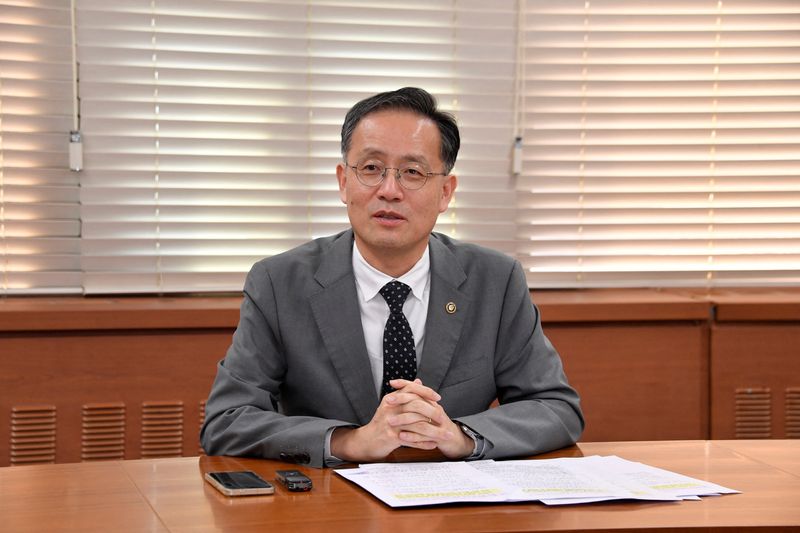
Historically, South Korea’s currency regime has been restrictive, particularly following the capital flight during the Asian Financial Crisis in the late 1990s. This conservative approach has been cited by Morgan Stanley Capital International (MSCI) as a barrier to achieving the much-anticipated upgrade to developed-market status. Vice Finance Minister Lee Hyoung-il announced plans to create a roadmap for the internationalisation of the South Korean won, which will focus on enhancing its accessibility and increasing demand, including possibilities for offshore won financing.
This upcoming change follows a successful extension of trading hours two years ago, which allowed foreign entities to trade the won from abroad, furthering South Korea’s ambition to be included in a major global stock index. Prior to this, the dollar-won market was restricted to just six-and-a-half hours a day, with direct dollar transactions limited to two domestic interbank networks.
In addition to the 24-hour trading initiative, the ministry plans to introduce a more flexible offshore won trading system, ease reporting requirements for market participants, and facilitate the registration process. These measures are intended to boost transaction demand, including in cross-border payment settlements and overseas financing.
Upgrading to developed market status remains a key goal for President Lee Jae Myung, who has committed to market reforms and tax measures aimed at invigorating the domestic stock market since taking office in June 2025. Under this policy framework, the KOSPI stock benchmark performed exceptionally well last year, achieving a 76% increase, the strongest growth since 1999.
As of late December, the won had been trading at its weakest levels since 2009, but it made a remarkable recovery, gaining 2.3% following market stabilization measures implemented towards the end of the year. Efforts to amend short-selling regulations, require more corporate filings in English, and simplify securities transactions are also part of the proposed roadmap for enhancing the stock market’s structure.
Looking ahead, the ministry anticipates the trade-reliant economy will grow by 2.0% in 2026, an increase from the 1.8% forecast made in August, underpinned by resilient domestic demand and strong export performance, after a 1.0% growth in 2025. Inflation is predicted to maintain a rate of 2.1% in both 2025 and 2026. Exports are set to rise by 4.2% this year, fueled by increasing demand for semiconductors as investments in artificial intelligence surge, even as global trade faces headwinds from U.S. tariffs.
To enhance the competitiveness of its semiconductor sector, the ministry plans to introduce a five-year policy plan later this year, which will include financial and tax support, as well as regulatory improvements. Moreover, the government has pledged to position South Korea among the world’s top three powers in artificial intelligence, while also providing support across industries such as defense, biopharmaceuticals, petrochemicals, and steel.
In line with a $350 billion investment commitment from a U.S. trade agreement last year, the South Korean government aims to strengthen its shipbuilding and nuclear energy sectors and explore new markets within the U.S. Additionally, plans for tax incentives to promote domestic production are set for discussion in the latter half of the year, addressing concerns over potential weaknesses in the manufacturing sector due to a rise in foreign investments.