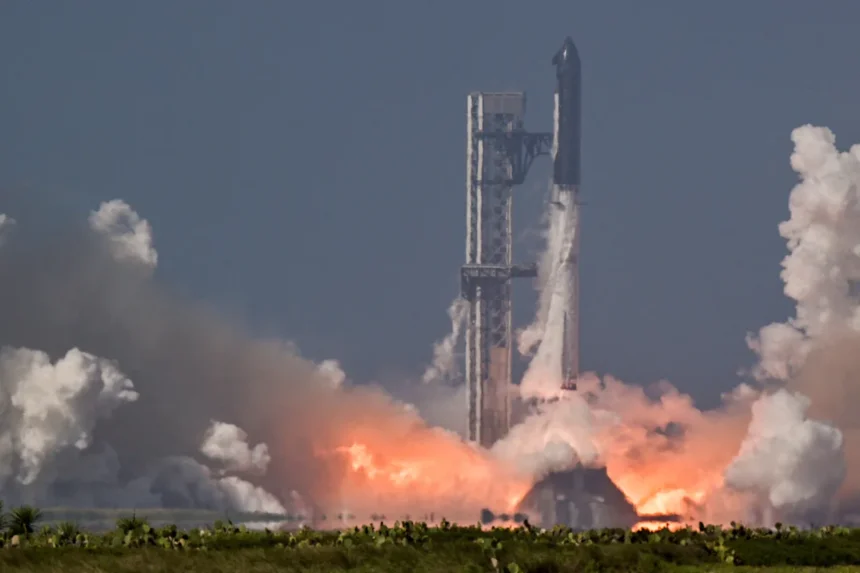
SpaceX is capitalizing on the current surge in artificial intelligence (AI) enthusiasm, with its recent initial public offering (IPO) prospectus indicating a sought-after valuation of $2 trillion. This ambitious valuation reflects the company’s expansive goals, ranging from the colonization of Mars to establishing a network of orbital AI data centers, targeting a total addressable market estimated at a staggering $28.5 trillion, primarily driven by AI advancements.
Chad Anderson, founder and CEO of Space Capital, noted that the company is investing significantly in AI infrastructure and its Starship vehicle, both crucial for enabling various future projects. Space Capital’s largest investment is in SpaceX, underscoring confidence in its long-term vision.
Nancy Tengler, CEO of Laffer Tengler Investments, expressed a keen interest in SpaceX, pointing out that her firm also has stakes in other space-centric companies like Planet Labs and Rocket Labs. Tengler suggested a potential merger between SpaceX and Tesla could be on the horizon, indicating a larger strategic alignment among Musk’s ventures.
Despite the excitement surrounding SpaceX and other mega IPOs in the AI sector, there are underlying concerns regarding the sustainability of this market euphoria. The S&P 500 is poised for its largest earnings growth in five years, primarily fueled by the performance of Big Tech companies and AI-related enterprises, according to Bloomberg data. However, rising oil prices have pushed inflation expectations and bond yields higher, fostering a sense of caution among investors.
Matt Powers of Powers Advisory Group remarked on the sensational nature of the current market, suggesting that the popularity of companies like SpaceX, OpenAI, and Anthropic in private secondary markets indicates a bubble-like environment. He advised potential investors to hold off on purchasing shares immediately after the IPO, recommending a brief wait to see how the market reacts.
Particularly noteworthy is SpaceX’s reported plan to allocate 30% of its shares for retail investors, a significant increase compared to the typical range of 5%-10%. Lee Munson, chief investment officer of Portfolio Wealth Advisors, highlighted this allocation as indicative of a potentially speculative market, akin to the “dot-com bubble” era. He advised caution, suggesting that it may be wiser for investors to wait for initial excitement to subside before committing funds.
As the IPO approaches, analysts continue to weigh the balance between enthusiasm for AI-driven opportunities and the implications of the broader economic landscape. The unfolding scenario presents both excitement and uncertainty as investors navigate this pivotal moment in the tech space.