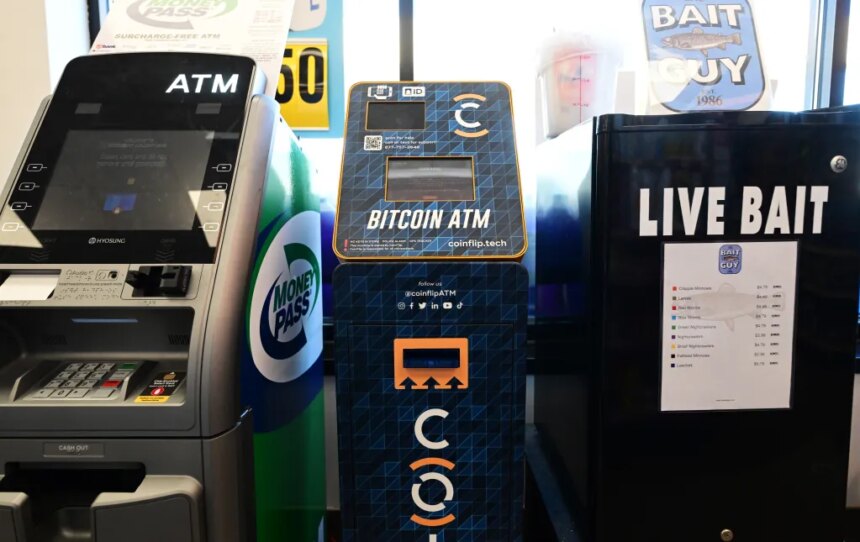
In St. Paul, a significant shift is on the horizon for cryptocurrency transactions as local officials prepare to enact a ban on virtual currency kiosks. These ATM-like machines, which currently number around 32 in the city, have become prevalent in convenience stores and other high-traffic locations. They allow users to deposit cash, which is then converted into Bitcoin or other digital currencies transferred to a virtual wallet.
The proposed ordinance, set to be reviewed by the city council, aims to prohibit the operation of these kiosks within city limits. While it will not interfere with online virtual transactions, the move comes as a response to a rising wave of fraudulent activities linked to these kiosks, which have reportedly cost victims across the nation millions of dollars.
Michael Carter, an enforcement audit director with the Minnesota Department of Commerce, reported that law enforcement agencies statewide have documented 51 cases of scams related to kiosk transactions, resulting in approximately $700,000 in losses. However, experts believe that the true extent of the issue is likely much larger, as many victims hesitate to report their experiences due to embarrassment or fear.
During a public hearing, St. Paul resident and AARP volunteer Gordon Wrobel emphasized the need for more stringent regulations surrounding these machines. He noted that the emotional and financial consequences of fraud extend far beyond the immediate victims, impacting families and communities as well. Wrobel pointed out that criminals involved in these scams have become increasingly sophisticated, leaving authorities struggling to keep pace.
On the opposing side, Ethan McClelland, director of government relations for Bitcoin Depot—one of the leading Bitcoin machine operators—characterized the proposed ban as an overreaction. He highlighted that the industry is already regulated and noted that banning kiosks would deprive residents of essential access to the digital economy. McClelland’s concerns are heightened by a recent lawsuit his company filed against the city of Stillwater following a similar ban.
The rise of cryptocurrency scams has made headlines not only in St. Paul but nationwide. According to FBI reports, Americans lost a staggering $5.6 billion to cryptocurrency scams in 2023, with older individuals often being the prime targets. Scammers frequently use tactics involving impersonation—claiming to be from agencies such as the IRS—to instill a sense of urgency, pressuring victims into using kiosks to deposit cash quickly under the threat of prosecution.
While the Minnesota Legislature did introduce some protective measures in 2024, such as requiring kiosks to disclose their terms, offer refunds to new users, and enforce transaction limits, local officials remain skeptical about their effectiveness. Tim Greenfield, chief policy officer for the city council, argued that no amount of disclosure can adequately combat the allure of fraud that these kiosks represent. He believes that removing the machines is a more effective solution.
Residents have shared chilling personal accounts of falling prey to these scams. Tim Plunkett recounted being duped by individuals posing as Xfinity technicians who convinced him he was involved in money laundering. Following their instructions, Plunkett visited several kiosks to transfer money, only to later realize he had been scammed when he received a confirmation email from a cryptocurrency company.
In light of these alarming situations, council president Rebecca Noecker underscored the importance of the proposed ban as a measure to protect vulnerable populations, including the elderly, low-income families, and incarcerated individuals. Noecker also shared anecdotes of close calls, such as an Eagan couple nearly being scammed out of $125,000 before an alert city employee intervened at the right moment.
As the city council prepares for a final vote on the ordinance scheduled for November 19, the discussion continues to focus on finding a balance between protecting consumers and allowing access to emerging technologies in the financial landscape.