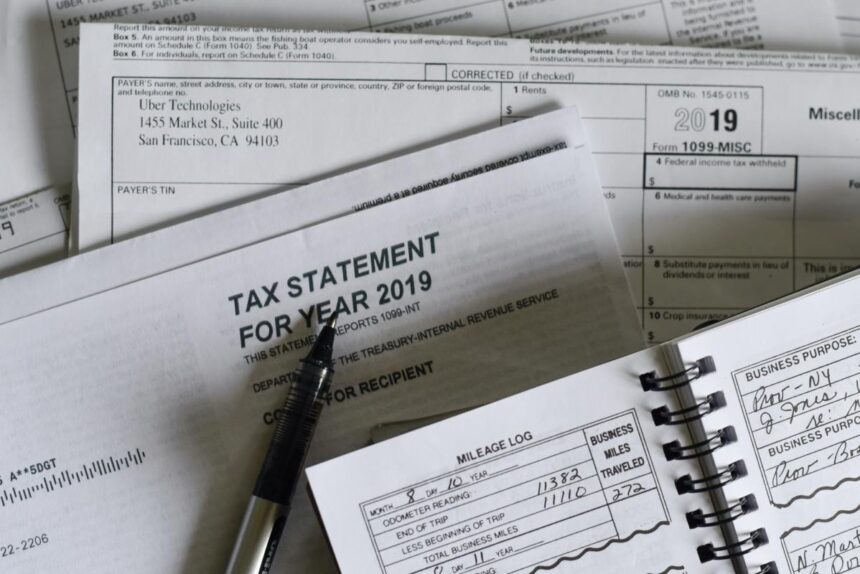
A recent proposal in the U.S. Congress aims to reshape the taxation landscape for digital assets, particularly targeting the treatment of stablecoins. However, the draft has faced significant scrutiny for its perceived favoring of stablecoins at the expense of other cryptocurrencies, especially Bitcoin.
On Thursday, Representatives Max Miller and Steven Horsford unveiled the “Digital Asset Protection, Accountability, Regulation, Innovation, Taxation, and Yields Act,” commonly referred to as the Digital Asset PARITY Act. The aim of this legislation is to modernize the taxation framework surrounding digital assets as outlined in the Internal Revenue Code of 1986, providing much-needed clarity for segments of the crypto market that have felt the weight of regulatory uncertainty.
A central feature of the draft is the introduction of a de minimis exemption for stablecoin transactions under $200, which would shield these small payments from capital gains taxes and reporting demands. Moreover, the proposal stipulates that dollar-pegged stablecoins will not incur gains as long as their value remains within 1% of $1. This effectively aligns stablecoins with the treatment of cash, recognizing their intended function as stable mediums of exchange.
Despite its inclusive nomenclature, critics assert that the bill does not provide true equality among cryptocurrencies. Notably absent from the proposal is any tax exemption for Bitcoin, the largest cryptocurrency by market cap. This oversight has provoked considerable backlash from Bitcoin advocates, who argue that the draft introduces an unbalanced regulatory environment that favors stablecoins over decentralized currencies.
Conner Brown, former counsel to Senator Cynthia Lummis and now affiliated with the Bitcoin Policy Institute, expressed concerns that the draft “sets America and Bitcoin back.” The Institute further emphasized the dangers of “picking winners and losers,” suggesting that the lack of a de minimis exemption for Bitcoin means even routine transactions, such as purchasing coffee, could trigger tax obligations. They assert that this creates friction that undermines Bitcoin’s intended role as an effective medium of exchange.
In a call for reform, the Institute proposed straightforward revisions to the draft legislation. They advocate for the restoration of a general de minimis exemption and the extension of certain deferral elections to all block reward recipients, including miners and stakers. Their contention is that these adjustments are minimally necessary to uphold the bill’s stated intent.
The draft also addresses taxation issues beyond stablecoins. Income generated from staking, lending, and activities performed by validators would be considered taxable gross income based on fair market value. Additionally, transaction costs associated with acquiring or moving stablecoins would not count toward an investor’s cost basis.
Yet, it is crucial to recognize that this legislation is still in the discussion phase. As a draft designed to initiate dialogue among lawmakers, regulators, and industry participants, there remains substantial opportunity for revisions and amendments as pressures mount.