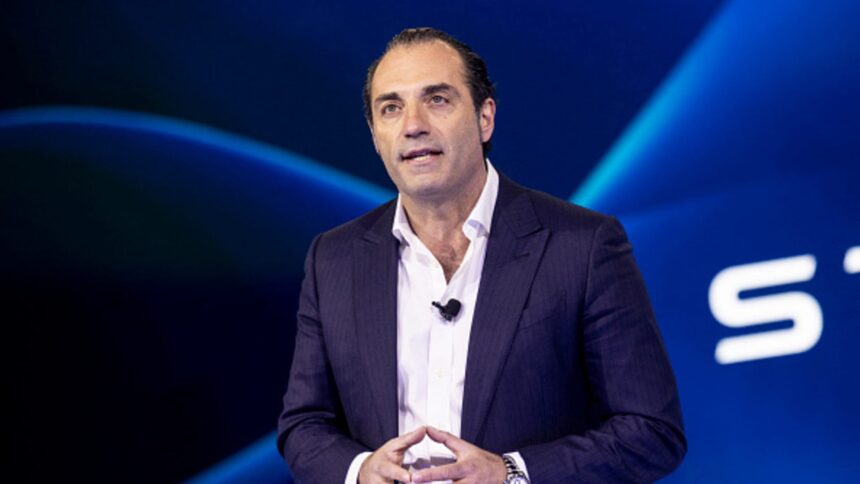
Stellantis North America’s Chief Operating Officer and Jeep CEO, Antonio Filosa, recently addressed stakeholders during a Stellantis press conference at the Automobility LA 2024 car show. His comments come at a crucial time for the automaker, which was formed five years ago from the merger of Fiat Chrysler and Groupe PSA, a combination that cost $52 billion. Despite the initial optimism surrounding the merger, investors have seen disappointing returns as U.S. shares have dropped approximately 43% since the company’s stock debuted on the New York Stock Exchange shortly after the merger’s completion.
Recent performance has highlighted challenges for Stellantis, particularly after the company faced setbacks in achieving its financial goals. In March 2024, shares had reached a peak gain of 74%, yet this was followed by a downturn as the company struggled with troubling financial results amidst cost-cutting measures intended to bolster profits and support its ambitious transition to electric vehicles (EVs).
Under Filosa’s leadership, he is re-evaluating Stellantis’ approach to its business strategy. After taking over from Carlos Tavares, who had spearheaded the merger and strategic direction of the company, Filosa is focused on a sales turnaround plan, emphasizing the importance of revitalizing the Jeep and Ram brands, which have experienced significant declines in U.S. market share. Filosa believes that a robust strategy is in place and has expressed optimism about executing it effectively in the coming year.
He hinted at potential changes within the portfolio, noting that he is open to regionally refocusing or possibly downsizing the extensive array of brands under the Stellantis umbrella, including less successful iterations like Fiat and Alfa Romeo within the U.S. market. While there had been speculation about selling off assets, Filosa expressed a desire to keep the organization intact, believing that collaboration within the company is crucial for future success.
Filosa plans to convene with over 200 company executives this month to discuss strategic priorities as part of the forthcoming capital markets day, with emphasis on company culture and plans for 2026. The recent management shakeup has led investors to seek clearer guidance on Stellantis’ future direction, particularly after Tavares’ unexpected departure attributable to disappointing sales and financial metrics. Tavares had advocated for achieving ambitious profit margins and revenue targets under his “Dare Forward 2030” business strategy.
Since Filosa stepped into the CEO role on June 23, stocks have seen a modest increase of 2%. However, they recently closed at $9.60 per share, which is still down 4.2%. While he refrained from addressing past missteps directly, Filosa’s prior statements from Stellantis executives indicated that Tavares’ intense focus on cost-cutting and profitability negatively impacted the company’s relationships with dealers, employees, and suppliers.
Filosa is committed to mending those relationships, especially with U.S. franchised retailers, and has approved significant changes to product strategies, including price reductions and a shift away from the overemphasis on electrified models. His vision for the future reflects a determination to implement necessary changes and foster a more promising path for Stellantis.