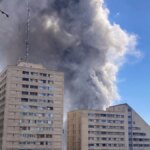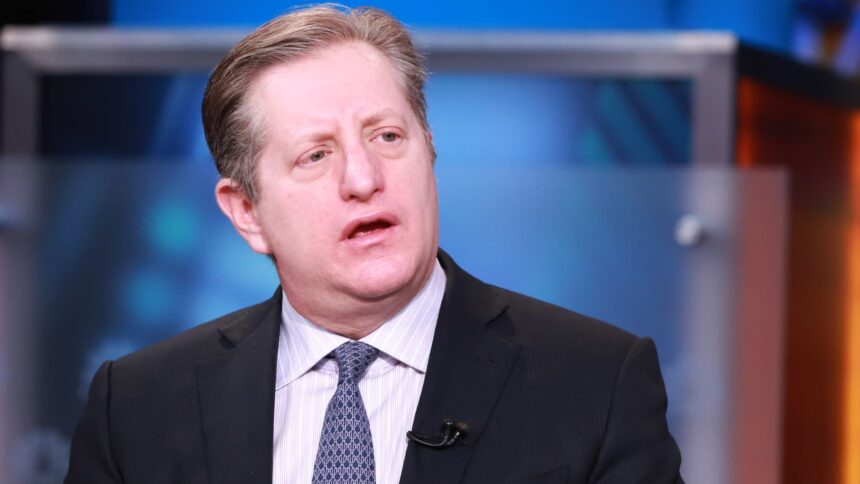
In a recent discussion on CNBC’s “Squawk Box,” renowned investor Steve Eisman, known for his pivotal role in the financial crisis depicted in “The Big Short,” addressed the ongoing U.S.-Iran conflict and its implications for the stock market. Despite the alarming events, including the U.S. and Israel’s joint military operation that resulted in the death of Iran’s supreme leader, Ayatollah Ali Khamenei, Eisman urged investors to maintain a long-term perspective.
When prompted by host Joe Kernen about potential adjustments to his trading strategy in light of the conflict, Eisman was succinct, asserting, “Not a single trade.” He expressed optimism about the situation, suggesting that the potential long-term benefits would outweigh immediate market responses. “I think long term, this is very, very positive,” he elaborated, pointing out that oil prices may see immediate escalation but are likely to stabilize in the coming months.
Despite the immediate turmoil in the markets, where stocks faced a downward trend on the day of the attack, historical data indicates that geopolitical conflicts often have transient impacts on stock prices. According to Barclays’ trading desk, the S&P 500 averages little to no change in the days following such events. Studies further reveal that stocks typically bounce back within about a month after conflict erupts.
However, Eisman acknowledged the current volatility, noting that the sharp rise in oil prices and the risk of a broader regional conflict could exert prolonged pressure on the market. Heading into the clash, stock levels were nearing record highs, but concerns regarding the impact of artificial intelligence on the economy were already causing a deceleration in the bull market.
As a self-identified supporter of President Donald Trump’s approach towards Iran, Eisman condemned the Iranian regime, labeling it a “death cult.” Yet, he conceded that the implications of the military actions might unfold over a more extended timeframe than initially anticipated. “This is going to take time,” he stated, signaling a belief that patience will be necessary as the situation develops.
Overall, Eisman’s insights suggest a complex interplay between geopolitical tensions, market reactions, and long-term economic outlooks, urging investors to approach their strategies with measured optimism despite current upheavals.