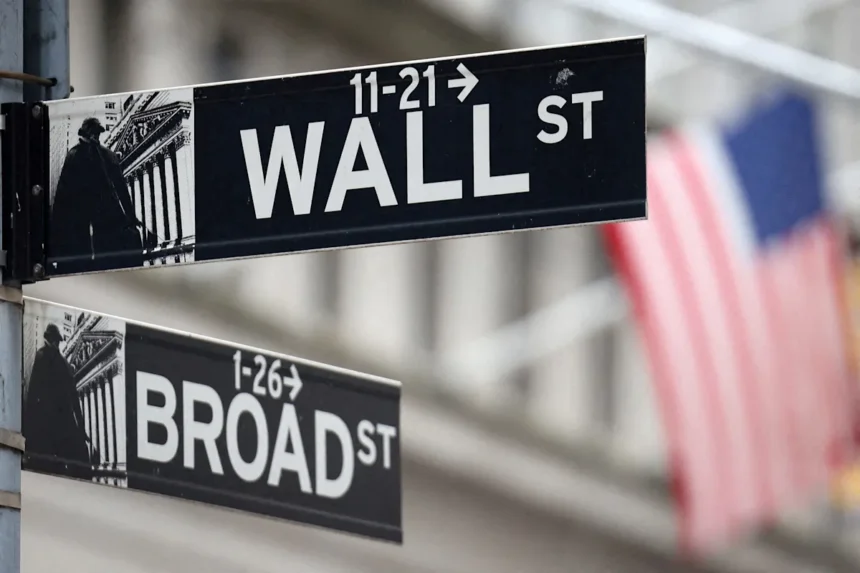
On February 20, the stock market experienced a modest rise following a landmark ruling by the Supreme Court, which struck down President Donald Trump’s ambitious tariff plans. By 1:30 p.m., the broad market index had increased by 0.4%, and the Nasdaq Composite saw a more pronounced gain of 0.6%, according to CNBC reports. The Dow Jones Industrial Average remained relatively stable after initially losing 200 points earlier in the day.
The Supreme Court’s decision, rendered with a 6-3 majority, mandated that the president must possess clear congressional authorization before enforcing such tariffs unilaterally. Chief Justice John Roberts emphasized the necessity of this legislative backing for the exercise of presidential power regarding taxation.
The ruling’s financial implications remain uncertain, particularly as the U.S. government might be liable for reimbursing up to $200 billion to companies affected by the tariffs. Such repayments could boost stock values in sectors reliant on automakers and imported consumer goods, potentially signaling a shift in market dynamics.
Gennadiy Goldberg, head of U.S. rates strategy at TD Securities in New York, highlighted key concerns regarding the administration’s response. He stated, “The big question for everyone is what exactly happens to refunds and whether this means the government has to refund the tariff revenue and how quickly that happens.” This uncertainty looms over investors as they seek clarity on the future fiscal impacts.
Phil Blancato, chief market strategist at Osaic in New Jersey, noted that a considerable repayment from the U.S. Treasury would not only increase the national deficit but could also adversely impact credit standards.
As market participants analyze the ruling and its potential fallout, the broader financial landscape may be reshaped, confirming the significance of these judicial decisions on economic policy and market stability.