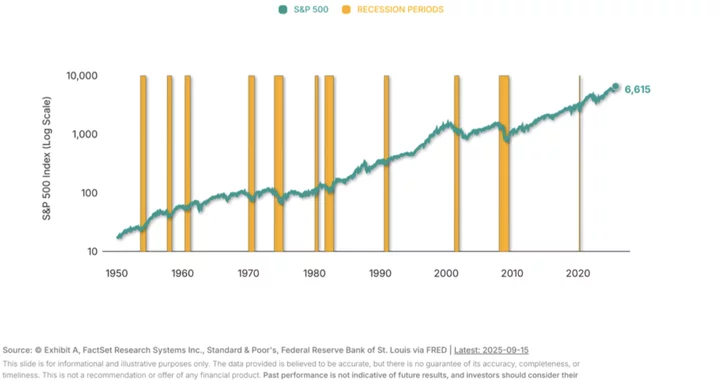
Investors are bracing for a potential downturn in the stock market, a sentiment that reflects a long-established trend in market behavior. Since 1950, the S&P 500 has often spent significant periods below its peak values, marking a consistent reality for those engaged in long-term investing.
Statistics reveal that major stocks experience a 3% drawdown more than 60% of the time and fall by 5% more than half of the time. Additionally, significant corrections occur about one-third of the time, with severe bear markets manifesting approximately 16% of the time. This underscores a fundamental truth: stock prices can and do decline. For long-term investors, recognizing this pattern is critical. Despite the frequent downturns and economic recessions, the overall growth of the stock market since the 1950s indicates resilience, with persistent upward trends.
Investor psychology plays a pivotal role in navigating these market cycles. Fear can lead to detrimental decisions, such as panic selling during downturns. Notably, adopting a wait-and-see stance during market rallies, often driven by the same fear, can hinder potential gains. For instance, investing at each stock market peak since 1950 has resulted in an average return of 8.7%. This statistic challenges the common narrative that one should only invest during market lows.
Currently, as of mid-September 2025, the market is near all-time highs. Interestingly, a recent survey indicates a prevailing sentiment of caution among investors, with more bears than bulls expressing skepticism about the market’s trajectory.
It’s essential to approach investment with a balanced perspective on risk management and asset allocation. While it’s unclear when the next market dip will occur, it’s inevitable that it will happen. Therefore, the focus should shift from merely reacting to market changes to continuous strategic investing, even during downturns.
In an age saturated with click-driven headlines, it is crucial for investors to prioritize long-term financial objectives over transient market fluctuations. Misleading headlines often draw attention without contributing to meaningful investment strategies. Education about the markets and seeking guidance from a trustworthy financial advisor can help mitigate the effects of short-term fears and maintain a focus on long-term growth.
This ongoing dialogue underscores the importance of remaining informed and resilient within the complex landscape of stock market investments.