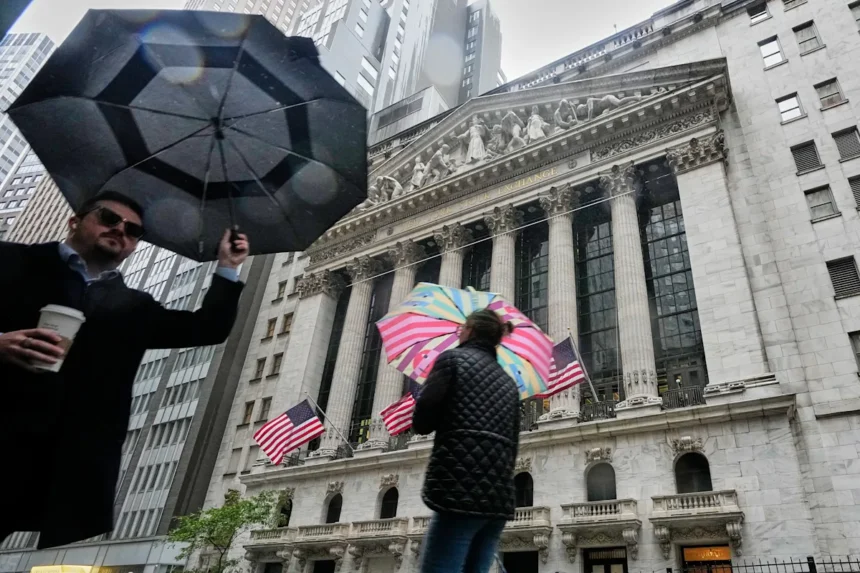
U.S. stock markets experienced a significant decline on Monday, with the Nasdaq Composite leading the downturn, falling approximately 1%, while the S&P 500 and the Dow Jones Industrial Average dropped around 0.7% and 0.6%, respectively. This market reversal comes after a strong rally toward the end of November, raising concerns about the sustainability of recent gains as December begins.
The so-called “Magnificent Seven” megacap stocks, which typically buoy market performance, saw most of them retreat. Notable declines included around 1% dips in shares of Nvidia, Meta, and Tesla, with only Amazon managing to hold its ground.
In the cryptocurrency realm, Bitcoin fell sharply, losing nearly 6% and briefly dipping below $85,000 before making a slight recovery. This decline highlights a broader market trend indicating a risk-off sentiment among investors as they enter the year’s final month.
Traditionally, December is a strong month for equities, often characterized by a “Santa Claus rally.” However, analysts caution that this year may differ due to numerous factors, including ongoing uncertainties related to President Trump’s tariff proposals, which have created headwinds for the markets. This year has already exhibited tendencies that diverge from typical seasonal patterns, contributing to an increase in bearish sentiments.
The Federal Reserve’s potential path for interest rates remains a focal point for market participants, with expectations of a quarter-point reduction at next week’s meeting. The recent Thanksgiving rally was largely driven by optimistic sentiment regarding possible interest rate cuts, bolstered by supportive remarks from Fed officials. However, with the central bank entering a blackout period ahead of its decision, attention is now shifting to incoming economic data. Key indicators, including readings on manufacturing activity and the jobs market, will be scrutinized, with particular focus on Friday’s release of September’s Personal Consumption Expenditures index, which is closely watched by the Fed.
Moreover, there are expectations of changes in leadership at the Federal Reserve; President Trump indicated he has chosen a successor to current Chair Jerome Powell, though details remain under wraps. White House economic advisor Kevin Hassett is speculated to be a leading contender for the position.
In other market activities, Barrick Mining Corporation announced that it is exploring an IPO for its North American gold assets, which generated a 3% increase in its stock prior to the opening bell. The proposed IPO follows pressure from activist investor Elliott Investment Management, which has been pushing for a company breakup.
In a move that sent ripples through the tech sector, Nvidia disclosed a $2 billion investment in Synopsys, leading to a significant jump of over 7% in Synopsys stock, although Nvidia shares fell by 1.5% amidst the prevailing risk-off market mood.
As cryptocurrencies continued to face pressure, stocks related to digital currencies also suffered. Companies such as Strategy faced notable declines, mirroring the broader selloff across the crypto market.
Bond markets were affected by a sell-off in Japanese debt, leading to increases in U.S. Treasury yields, as investors reassessed their strategies in light of global economic shifts.
Despite the challenging start to December, traders keep an eye on global sales and geopolitical tensions, particularly regarding oil and its fluctuations. A recent attack on a key pipeline in the Black Sea has raised concerns, causing oil prices to rise as traders navigate through complex international relations and potential supply disruptions.
As the economic landscape shifts and uncertainties mount, investors will watch closely to gauge the direction of the markets over the coming weeks.