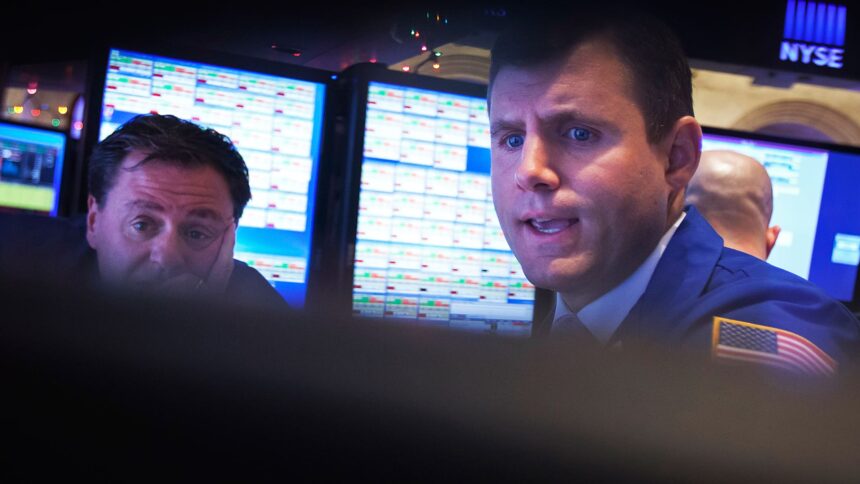
Markets experienced significant turmoil on Thursday as escalating tensions in the U.S.-Iran conflict impacted investor sentiment, prompting a shift in oil prices. Brent crude futures saw a substantial increase of 6% following an attack by Iran on a critical liquefied natural gas (LNG) export facility in Qatar. This volatile backdrop led to the Dow reaching a new low not seen since 2026, exacerbating concerns stemming from disappointing inflation data from the previous trading session.
In corporate news, Micron Technology reported impressive quarterly results, surpassing expectations in sales, earnings, and forward guidance. However, investor reaction was muted, with shares declining following management’s cautionary remarks regarding spending and debt repayment strategies. Analysts highlighted the complexity of Micron’s offerings and noted a lack of clarity on its capital expenditure plans. Despite this, Deutsche Bank raised its price target for the company to $550 from $500, while KeyBanc increased its target to $600 from $450, signaling ongoing investor interest.
Meanwhile, natural gas availability has tightened globally, yet the U.S. remains in a unique position with a surplus. Jeffrey Martin, CEO of energy infrastructure company Sempra, indicated that the U.S. is exporting gas at an accelerated pace. Discussions were held regarding the implications of the Iran conflict on LNG pricing and Sempra’s growth strategy amidst evolving utility sector dynamics.
In the pharmaceutical sector, Barclays has raised its price target on Johnson & Johnson to $234 from $217, driven by strong growth in U.S. pharmaceutical sales. This increase in optimism follows the FDA approval of J&J’s oral psoriasis treatment. The market is now weighing the potential of J&J against Eli Lilly, which continues to be favored due to its powerful GLP-1 treatments like Mounjaro and Zepbound.
Nvidia also received a boost, with Raymond James increasing its price target to $323 from $291. Analysts’ updated projections come in light of CEO Jensen Huang’s bold forecast of $1 trillion in orders for upcoming chip generations through 2027. However, sentiment has shifted against tech stocks recently, casting a shadow over Nvidia’s strong performance.
Morgan Stanley named Intuit its top pick, citing attractive valuations and potential positive revisions to earnings estimates as traffic to its website has begun to show signs of improvement. The firm set a price target of $580 for Intuit shares, indicating confidence in the company’s trajectory.
In the cruise industry, Morgan Stanley upgraded Carnival to “buy” from “hold,” largely due to the stock’s significant drop of 28% this year, indicating that lowered earnings estimates make it more appealing. However, Viking has emerged as the favored investment within the sector.
The railroad sector also saw movement, with Evercore raising its price target on Norfolk Southern to $295 but maintaining a hold rating. The stock’s performance remains uncertain due to a proposed merger with Union Pacific, which is under regulatory scrutiny. Despite this, no changes to the company’s full-year guidance are anticipated ahead of its earnings report next month.
Yet, not all companies are navigating these waters smoothly. Wall Street analysts are expressing skepticism about Nike’s recovery, as BTIG lowered its price target to $90 from $100, citing muted revenue prospects before its upcoming earnings report. UBS also reduced its target for Nike to $58 from $62, reflecting concerns over declining sales figures.
On a more positive note, Five Below reported its best holiday quarter in history, leading to a premarket stock surge of over 5%. The retailer’s ability to attract value-seeking consumers has resulted in better-than-expected quarterly profits, reinforcing its strong market presence.
As investors navigate these complex market dynamics, updates and insights are available through Jim Cramer’s Top 10 Morning Thoughts on the Market newsletter, which provides timely alerts on potential trade opportunities within the CNBC Investing Club.