



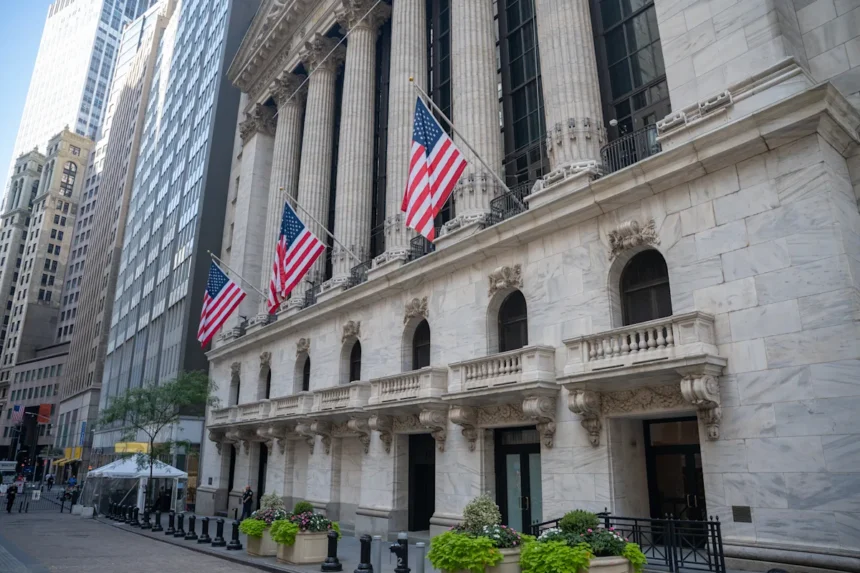
US stocks experienced a sharp decline on Friday, as escalating trade tensions between the United States and China spooked investors. The Dow Jones Industrial Average suffered a loss of 1.9%, translating to over 870 points, while the S&P 500 fell approximately 2.7%. The tech-heavy Nasdaq Composite took the hardest hit, plummeting around 3.6%.
President Trump intensified the conflict with China through a lengthy post on Truth Social, declaring that his administration is contemplating a “massive increase” in tariffs on Chinese goods. This post followed a series of aggressive actions from China, including the imposition of new port fees on American ships, an antitrust investigation into Qualcomm, and tighter export controls on rare earth minerals. Additionally, Beijing halted purchases of US soybeans, further inflaming the situation.
In his post, Trump remarked on “strange things” happening in China and hinted at canceling a scheduled meeting with Xi Jinping later this month, asserting there was “no reason” to proceed. “Ultimately, though potentially painful, it will be a very good thing for the U.S.A. One of the Policies that we are calculating at this moment is a massive increase of Tariffs on Chinese products coming into the United States of America,” he stated.
The renewed focus on tariff disputes undermined market stability, coming on the heels of a week already marked by fluctuating investor sentiment due to uncertainties regarding artificial intelligence demand and looming concerns about a potential US government shutdown. With this downturn, all major indices logged a down week following a retreat from recent record highs.
Amidst the stock market turmoil, private data became a point of interest for investors, particularly as the release of official economic reports has been delayed by the government shutdown, which has now entered its 10th day. The University of Michigan’s preliminary consumer sentiment index for October revealed that Americans remain pessimistic about the economy, burdened by concerns over job prospects and persistent inflation.
Looking forward, market participants are bracing for the upcoming earnings season, set to kick off next week with reports from financial giants like JPMorgan and Citigroup. Analysts anticipate softer performance metrics, with expectations that the ongoing tariff disputes will adversely affect quarterly revenues.
In a broader context, Bitcoin and other cryptocurrencies faced significant sell-offs along with stocks, as investors pulled back amid escalating fears from the trade war resurgence. Bitcoin prices dropped below $118,000, while Ethereum also suffered, losing 6%. As concerns grew, market losses continued to accelerate, with major stock indices clocking in significant dips during trading hours.
The fallout from the US-China tensions was evident in various sectors, as Chinese stocks saw a substantial downturn following Trump’s announcement regarding the cancellation of his meeting with Xi. E-commerce titan Alibaba plunged 6%, while tech companies such as Tencent and Baidu also experienced appreciable losses. Conversely, stocks linked to rare earth minerals witnessed a surge, as investors recognized the strategic value of these materials amid the intensified trade scrutiny.
Oil markets also reflected the strained bilateral relations, with prices extending losses as trade relations soured. Brent crude and West Texas Intermediate saw declines of around 3%, a dip pronounced by Trump’s tariff threats and recent geopolitical developments easing supply concerns in the Middle East.
Overall, Friday’s trading session underscored a turbulent week for US markets, fraught with the implications of renewed tariff threats and a gloomy economic outlook as consumer sentiment falters amidst a prolonged government shutdown. Investors will be keenly watching for responses from commercial sectors and forthcoming earnings reports as indicators of economic health in this volatile climate.