Stocks demonstrated recovery on Monday after experiencing an early downturn, bolstered by a significant drop in oil prices, despite ongoing investor apprehensions regarding escalating tensions in Iran. The S&P 500 managed to increase by 56 points, equivalent to 0.8%, concluding the day at 6,796. The Dow Jones Industrial Average exhibited a notable rebound, recovering from a steep decline that saw it drop over 600 points earlier in the session. It ultimately gained 239 points, translating to a 0.5% rise, and closed at 47,741. Meanwhile, the Nasdaq Composite recorded a robust gain of 1.4%.
Financial markets have been grappling with heightened volatility since the onset of the conflict in the Middle East, which has ignited concerns around energy supply disruptions. Oil prices surged significantly last week, exceeding the $100 mark for the first time since 2022, a period marked by the spike in global energy costs following Russia’s invasion of Ukraine. On Monday, a barrel of benchmark U.S. crude oil reached a peak of $119.48 before easing to settle at $94.77, and it continued to decline, slipping below $85 later in the day. Similarly, Brent crude prices corrected to settle at $98.96 and subsequently fell toward the $95 mark.
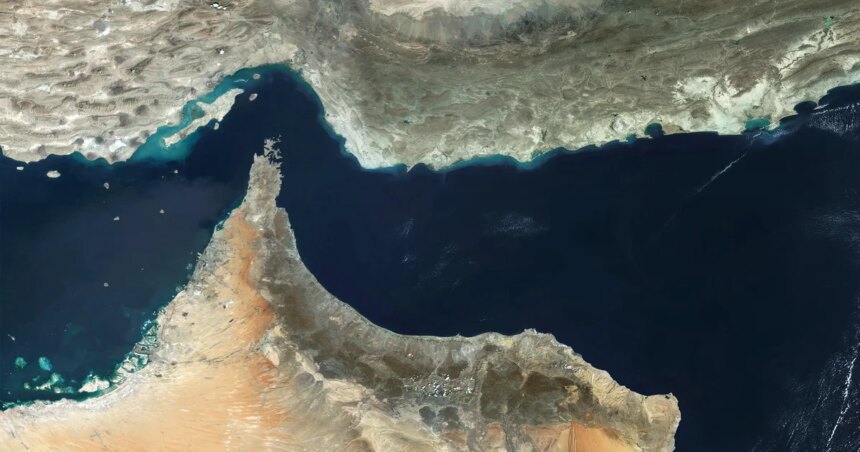
In a move that could signal a possible easing of geopolitical tensions, former President Trump indicated on CBS News that the conflict in the Middle East might be nearing resolution. He described the situation as “very complete,” raising hopes among investors. Trump also mentioned that he is contemplating actions regarding the Strait of Hormuz, an essential maritime route for oil tankers and commercial vessels, asserting that the U.S. could take significant steps if Iran obstructs access to this critical passage.
The spike in oil prices can be traced back to disrupted shipping routes through the Strait of Hormuz, which sees approximately 20% of the world’s oil supply transit through its waters. This disruption is expected to impact consumers globally, leading to increased costs at the fuel pump and threatening inflation across various sectors, including agriculture and petrochemicals. According to the AAA, the national gas price average in the U.S. climbed to $3.48 on Monday, up from about $3 a week prior and substantially higher than the $2.90 average from a month ago.
Market analysts suggest that while financial markets may typically overlook geopolitical conflicts in the long run, heightened volatility is anticipated until tensions in Iran subside. Ed Yardeni, of Yardeni Research, cautions that the current oil crisis is likely to persist until free navigation through the strait is restored. He emphasizes that until the situation stabilizes, investors may face growing concerns about a potential stagflation scenario reminiscent of the 1970s.