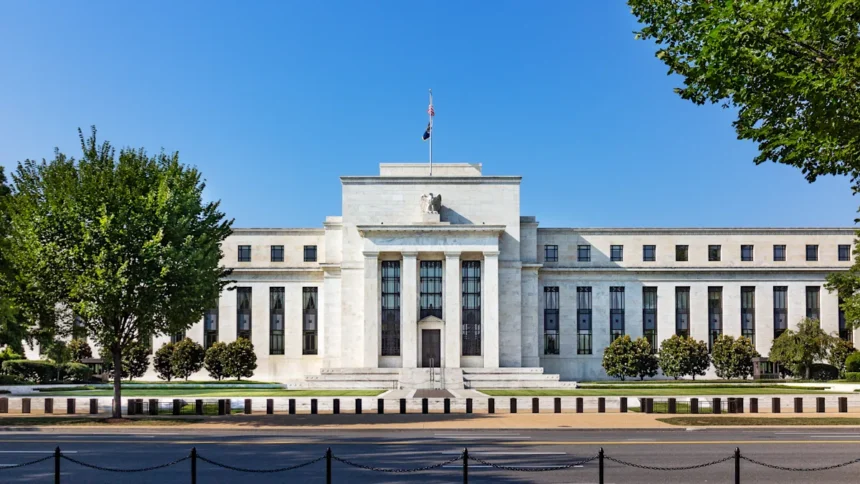
US stocks showed signs of recovery on Friday, pulling back from a significant sell-off earlier in the week, as investors brace for upcoming economic data ahead of the Federal Reserve’s next interest rate decision in December. The Dow Jones Industrial Average ticked down approximately 0.6%, displaying resilience, while both the S&P 500 and the Nasdaq Composite turned positive after starting the day in the red. The S&P 500 had briefly dipped below the flatline, only to close higher, while the Nasdaq posted a slight gain of 0.1%.
The previous trading session marked Wall Street’s most significant one-day decline in over a month, primarily affected by concerns surrounding artificial intelligence investments that spurred an exodus from high-risk assets into more traditional sectors. Despite the recovery, shares of Tesla faced continued pressure, dipping below the $400 mark before rebounding. Nvidia’s stock also managed to recover some losses and closed higher.
In the cryptocurrency market, Bitcoin plummeted below $96,000, marking the first time it has traded at that level in more than six months, reflecting a decline of over 20% since its peak in October.
Market sentiment remains volatile as apprehensions grow that the Federal Reserve may slow down its policy easing, particularly following movements from its officials toward a more hawkish stance. Traders now estimate less than a 50% likelihood of a quarter-point rate reduction next month, a steep drop from about 95% just a month ago. New indications from Minneapolis Fed President Neel Kashkari have echoed concerns over the US economy’s “resilience” and ongoing inflation issues.
Investors are awaiting the release of the September jobs report, which is set for next Thursday, Nov. 20. This report was delayed due to the historic six-week federal shutdown, which has impeded the flow of critical economic data.
On the political front, President Trump is reportedly planning significant tariff cuts aimed at reducing high food costs, a concern that has resonated with voters in recent elections. Agreements with countries like Argentina and Brazil are expected to lead to lower prices for products such as bananas and coffee.
Amidst a turbulent week, stocks closed mixed on Friday. While the S&P 500 dipped below its previous levels, the broader market witnessed gains in certain sectors. The tech-heavy Nasdaq Composite managed to finish the week with a minimal loss despite the earlier turmoil.
The VIX volatility index surged to a four-week high during the session, reflecting increased uncertainty in markets. Despite struggling at times, the Nasdaq saw mid-afternoon rebounds, with the Dow representing the day’s laggard.
Market experts argue that recent fluctuations, including the sell-off in tech, do not signal a major downturn but rather a necessary correction. Daniel Skelly, head of Morgan Stanley’s Wealth Management Market Research & Strategy, described the current market environment as an “AI reckoning,” asserting that the long-term outlook for AI-related stocks remains optimistic.
In the chip sector, Micron’s shares rose by 6.8%, demonstrating a bounce back after Thursday’s declines, while other major players such as AMD and Nvidia saw moderate gains following deeper losses.
UBS strategists provided a bullish outlook for the stock market, viewing the recent downturn as temporary within an overarching bull market context. Even as concerns about inflation persist, they assert that data will ultimately dictate the Fed’s decision-making process, maintaining optimistic projections for S&P 500 valuations in the coming years.
In corporate news, Walmart’s stock fell following the announcement of CEO Doug McMillon’s impending retirement, with John’s Furner set to take the reins. Meanwhile, American Bitcoin’s shares dropped 13% premarket, despite the co-founded company’s profits doubling in Q3.
Lastly, economic data from China revealed a slowdown, with retail sales growth at a year-low, further unsettling investors and impacting US-listed Chinese stocks.
Overall, the day reflected a risk-averse atmosphere as markets digested various economic indicators while attempting to stabilize amidst uncertainty.