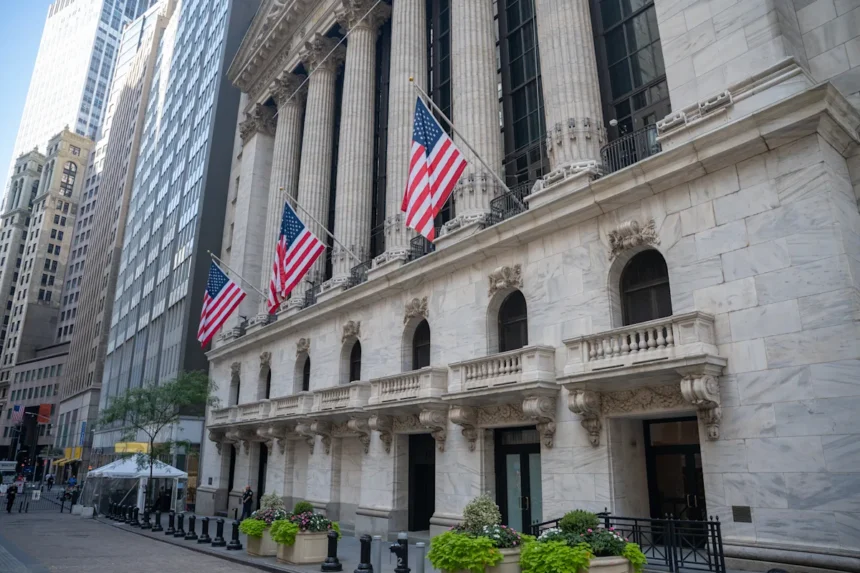
U.S. stocks experienced a notable downturn on Friday, with President Trump and China exchanging sharp words regarding tariffs. In a striking announcement, Trump threatened a “massive increase” in tariffs on Chinese goods, contributing to market instability. The Dow Jones Industrial Average plummeted 1%, equating to a loss of over 500 points, while the S&P 500 fell by 1.7%. The tech-heavy Nasdaq Composite took the hardest hit, declining over 2.3%.
In a lengthy post shared on Truth Social, Trump directed criticism towards China and its leader, Xi Jinping. This statement followed China’s recent moves to intensify trade tensions with the U.S. These developments included imposing new port fees on American vessels and initiating an antitrust investigation into Qualcomm. Further complicating trade relations, China has also tightened its export controls on rare earth minerals and ceased purchases of U.S. soybeans.
“Some very strange things are happening in China!” Trump declared in his social media post. He suggested the potential cancellation of an anticipated meeting with Xi Jinping at the upcoming APEC summit, asserting there was “no reason” for the discussion before reiterating his tariff threat. He expressed optimism that despite the short-term pain, such a tariff increase would ultimately benefit the United States.
This week’s trading pattern has been dominated by uncertainty, as the market fluctuated due to mixed sentiments surrounding AI demand and concerns about a potential U.S. government shutdown, which has now reached its 10th day. As a result of Friday’s sharp decline, all major indexes are positioned for a significant weekly downturn after retreating from recent peak levels.
Investor attention also shifted to private economic data, as the ongoing government shutdown has delayed the release of key federal statistics. The University of Michigan’s preliminary reading on consumer sentiment for October revealed that Americans are increasingly anxious about job prospects and high inflation, despite showing minimal change from previous months.
Next week is poised to kick off the dramatic earnings season with major banking firms like JPMorgan and Citigroup reporting their results. Analysts expect a softer performance amid concerns that tariffs will negatively impact revenue in the upcoming quarter.
In the commodities market, cocoa futures experienced a dip of more than 1.8% on Friday. If this downward trend continues, it will mark the longest series of weekly losses for cocoa since May 1999. The decline is attributed to decreased purchasing from chocolate manufacturers in an effort to cut costs, coupled with the potential for oversupply extending into 2026.
Additionally, oil prices faced declines, hitting steep losses as U.S.-China trade relations deteriorated further. Brent crude dropped 3%, while West Texas Intermediate followed suit, also falling 3%. The bearish sentiment was exacerbated by Trump’s tariff threats and reports suggesting progress towards a ceasefire in Gaza, easing concerns over potential supply shortages.
Asian markets reflected Friday’s turmoil, with shares in Chinese corporations suffering heavy losses following Trump’s announcement of the cancellation of his meeting with Xi Jinping. Major players like Alibaba, Tencent, and Baidu all took substantial hits, while stocks related to rare earth materials surged, driven by fears from the escalating trade tensions.
As the day progressed, market trends showcased how ongoing economic concerns and international relations significantly shaped trading decisions, leading to cautious investor sentiment heading into the week ahead.