



A pivotal case regarding campaign finance restrictions is currently being deliberated by the Supreme Court, with implications that could significantly alter the landscape of political campaign funding. The case centers around limits imposed on party committees concerning their coordinated expenditures with candidates.
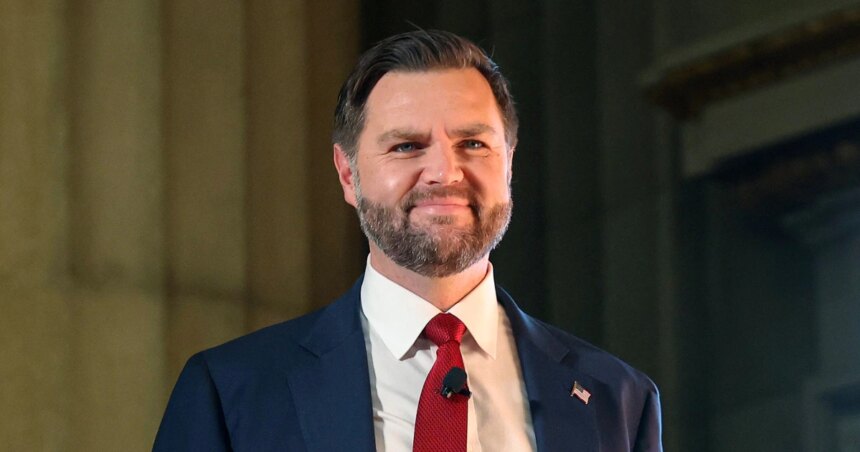
The situation is further complicated by Vice President JD Vance’s reluctance to declare his political aspirations for the 2028 election. This ambiguity has led to arguments suggesting that the challenge may lack genuine standing due to Vance’s uncertain future in the political arena. One of the attorneys appointed by the court to defend the existing regulations, Roman Martinez, contends that Vance’s lack of commitment to running for office makes the case moot, thus advocating for its dismissal and the preservation of current restrictions.
Martinez argues that Vance, once a candidate for Senate who posed the initial challenge to the regulations, now has no direct stake in the proceedings since he has expressed no concrete plans regarding a future candidacy. He pointed out that with the government’s shift in position, now supporting the challengers, the impetus to address such issues has diminished.
Meanwhile, the legal representation for the Republican challengers, led by Noel Francisco, challenges Martinez’s assertion. He argues that there is no substantial evidence disproving Vance’s potential desire to run for office again. Francisco maintains that various indicators suggest Vance might indeed pursue a federal seat in the future.
Vance himself has walked a cautious line, particularly given his alignment with former President Donald Trump, who is constitutionally barred from seeking a third term. In a recent interview, Vance avoided giving a definitive answer when asked about his potential candidacy, emphasizing his focus on performing his current role rather than speculating on the future.
The current campaign finance laws in question were established in 1971, yet have faced considerable erosion through subsequent Supreme Court decisions, notably the landmark 2010 Citizens United v. FEC ruling that endorsed unlimited spending by independent entities. This ongoing legal battle is not about unrestricted outside spending, but rather about the caps on how much party committees can coordinate their expenditures with candidates, a crucial aspect impacting their operational capabilities.
The limitations currently allow party committees to make unlimited independent expenditures in support of candidates but restrict how much can be spent in conjunction with them, complicating logistical aspects like event organization or consultant hiring. These financial caps can reach up to nearly $4 million for Senate races and about $127,000 for House contests.
A ruling favoring the Republican challengers could further tilt the funding balance in their favor, as GOP candidates often rely more heavily on coordinated expenditures than Democrats, who typically excel in fundraising efforts.
However, the changing dynamics have seen the Federal Election Commission align with the challengers as well, voicing its belief that current spending restrictions violate the First Amendment. Additionally, the Democratic National Committee has been allowed to intervene in defense of the existing restrictions, indicating the broader implications of the court’s forthcoming decision. As the case unfolds, the justices will weigh the competing arguments about election finance, free speech rights, and the future of political campaigning in America.