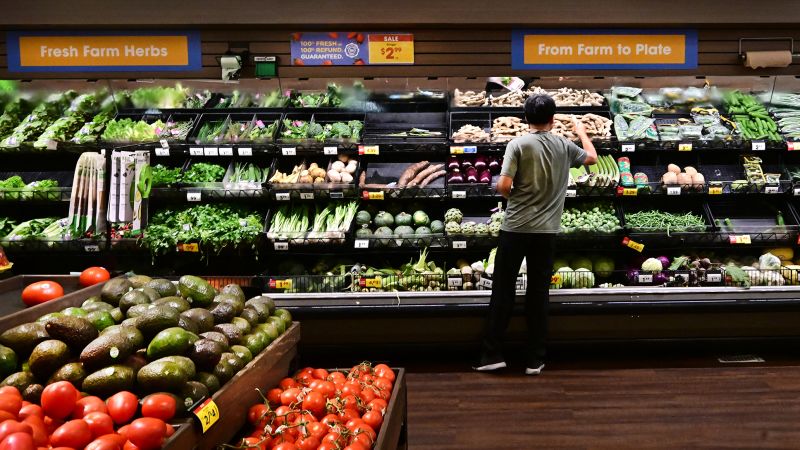
Recent Consumer Price Index reports highlight a notable increase in prices for goods affected by tariffs, reflecting a broader economic trend. Observers, particularly economists, are closely monitoring the “core goods” category, which excludes volatile items such as gas and food, for evidence of these tariff-related price hikes. In August, prices in this category increased by 0.3%, marking the highest monthly rise in seven months.
Gregory Daco, the chief economist at EY-Parthenon, emphasized that the impact of tariffs is becoming more pronounced, although the process of passing these costs onto consumers remains gradual and inconsistent. He noted that specific categories most susceptible to tariffs experienced significant price surges last month. For example, sewing machines, fabric, and supplies saw a striking increase of 9.1%, while jewelry prices rose by 6.8%. Other notable increases included women’s outerwear at 4.4%, instant coffee at 4.9%, tomatoes at 4.5%, and beverage materials like coffee and tea up by 2.8%. Bananas also reflected a modest increase of 2.1%.
Looking forward, Daco predicts that inflationary pressures tied to tariffs are likely to continue. However, he suggests that the rate of inflation’s acceleration will remain relatively contained compared to the sharp increases seen in the post-COVID period.
This persistent inflation is contributing to a K-shaped economy, in which spending patterns diverge based on income levels. Higher-income households continue to spend robustly, while lower-income households face financial strain, leading to reduced shopping and consumption due to stagnant pay increases.
A recent survey by Morning Consult indicated a significant shift in consumer perception regarding tariff-related price increases. The results revealed that only 8% of adults reported not noticing any such price hikes, marking a new low in consumer awareness of the issue. As tariff impacts increasingly enter public consciousness, the broader economic landscape remains complex and multifaceted.