








A recent analysis has revealed that several prominent software and energy companies may encounter challenges in the near term, as suggested by a widely recognized technical indicator. The major U.S. stock indices concluded the past week on a positive note, although November was relatively subdued. Concerns surrounding high valuations and the anticipated profitability of significant investments in artificial intelligence have contributed to pressures on major tech stocks. Notably, the Nasdaq Composite experienced a decline of 1.5% over November, snapping a seven-month streak of gains, while the S&P 500 and the Dow Jones Industrial Average saw only modest gains.
Using the CNBC Pro stock screener, analysts identified companies from the S&P 500 that surged this past week and now possess a 14-day relative strength index (RSI) exceeding 70. This indicator categorizes them as technically overbought and suggests potential weakness in the short term. Among those flagged as overbought are industry giants like Alphabet, Google’s parent company, and retail company Ralph Lauren.
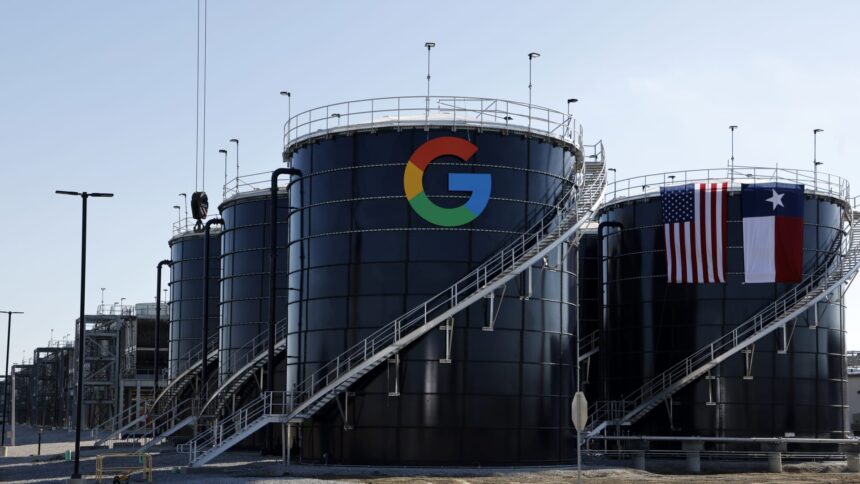
Alphabet has garnered significant attention recently, achieving a 14-day RSI of 72.2. The company’s stock rose sharply this week, buoyed by investor enthusiasm surrounding its Gemini 3 AI model and its Tensor Processing Units (TPUs). Market analysts noted that confidence in Alphabet has increased amid uncertainties related to OpenAI’s funding and the perceived strengths of ChatGPT compared to Gemini, particularly following a subdued release of ChatGPT-5 in August. Ben Reitzes of Melius Research remarked in a note to clients that Alphabet’s advances in AI could position it favorably in ongoing industry competition. He highlighted how the benefits of the Gemini 3 model are already being integrated into Alphabet’s core search capabilities, helping to alleviate concerns about the business’s overall health.
Merck also made headlines, boasting an RSI of 80, which places it on the list of overbought stocks. The pharmaceutical company’s third-quarter results exceeded analyst expectations, driven largely by strong demand for its cancer immunotherapy, Keytruda. Merck had also adjusted its full-year profit outlook to account for lower tariff costs and other variables. In mid-November, Merck announced plans to acquire Cidara Therapeutics in a deal valued at nearly $9.2 billion, aiming to enhance its pipeline with an experimental flu drug. Despite a robust November, where Merck’s shares surged over 21%, analysts forecast a potential pullback, estimating a downside of about 2% relative to their consensus price target of $102.43.
Ralph Lauren and Las Vegas Sands are other companies categorized as overbought, with RSIs of 71 and 79.8, respectively. Ralph Lauren’s stock surged 8% this week, culminating in a November gain of approximately 15.5%. Analysts from TD Cowen and Telsey Advisory Group have responded by increasing their price targets for the retailer following its strong second-quarter performance and optimistic guidance.
Overall, the landscape for high-flying tech stocks appears mixed as valuations come under scrutiny and analysts remain cautious about potential corrections in the wake of significant gains.


