



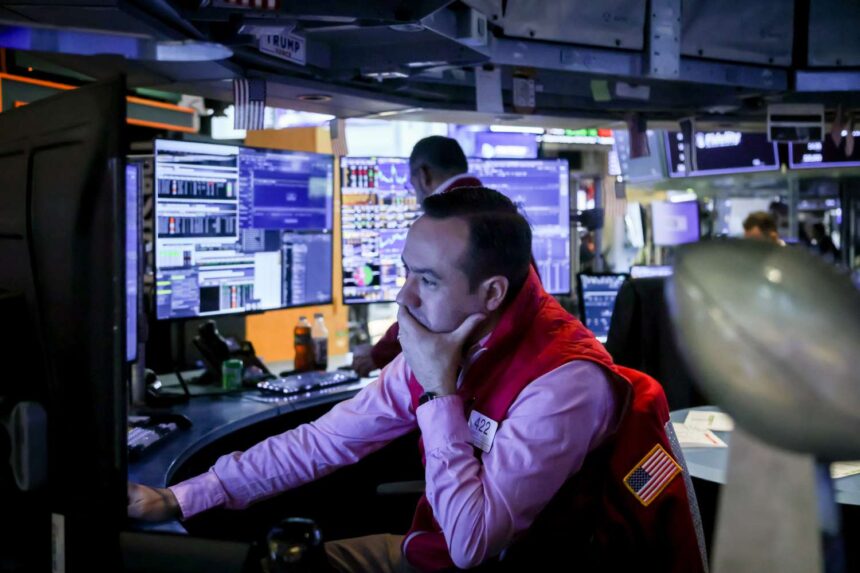
Tech stocks experienced a notable decline this week as investor skepticism regarding the ongoing AI rally overshadowed yet another robust earnings report from Nvidia. Despite the promising numbers from Nvidia, stocks fell, reflecting an atmosphere of uncertainty in the market. The Cboe Volatility Index (VIX), often referred to as the “Fear Index,” reached its highest level since the tariff controversies of April, signaling increased apprehension among investors.
On Thursday, while hopes were high for a turnaround in the tech sector following Nvidia’s earnings release, the anticipated rebound did not materialize. Although there was a slight recovery on Friday, many of Wall Street’s key AI stocks—including Nvidia, Broadcom, Palantir, Oracle, and Vistra—sustained losses, which suggested a persistent dip in AI market sentiment. Experts are now confronted with a conundrum, attempting to interpret a week filled with mixed signals and volatility.
Tech stocks have played a crucial role in driving the bull market over the past three years, and their trajectory is likely to significantly influence overall market sentiment. The Federal Reserve’s upcoming interest rate decision is expected to be pivotal in determining the future direction of stocks. The recent AI rally has faced challenges before, notably in July 2024 over fears of excessive investment in AI technologies. However, the sector rebounded by year’s end. Similar concerns have resurfaced, triggered by the emergence of Chinese startup DeepSeek earlier this year, although past interruptions have proved temporary.
Dan Ives, a noted analyst at Wedbush, recently likened the current situation to previous instances where skepticism about tech trends was proven wrong, such as during the early days of the iPhone and Microsoft’s transition to cloud computing. He projected that the current era marks the beginning of a transformative cycle for AI, anticipating that the next several years would be crucial for tech stock recovery and growth.
Conversely, Barclays analyst Ajay Rajadhyaksha warned of the risks facing the tech sector, emphasizing that stagnating earnings could trigger a wider sell-off in equities. While he believes that drastic collapses in valuations are unlikely, he acknowledged the complications introduced by increasing reliance on credit markets to fund AI investments. This shift potentially exposes the broader economy to vulnerabilities associated with AI, making tech stocks more sensitive to fluctuations in interest rates. Additionally, rising power constraints could hamper AI investment levels, impacting companies that support the sector, like Nvidia.
As the market awaits the Federal Reserve’s policy meeting in December, uncertainties surround interest rate adjustments. Opinions among policymakers are split, with some advocating for rate cuts due to signs of labor market weakness, while others urge caution in light of rising inflation. The ongoing government shutdown has further clouded the availability of reliable data.
The September jobs report revealed more job additions than expected but also indicated a rise in the unemployment rate to its highest level in four years. This conflicting data may provide both sides of the Fed debate with justifications for their respective positions. Experts contend that the Fed’s decisions will be crucial in determining whether the AI rally regains momentum or falters further. Rate cuts could inject much-needed liquidity into the market, potentially revitalizing tech stocks, whereas static rates could hinder their recovery.
Investor sentiment remains shaky, with futures market data revealing diminished odds of a December rate cut compared to previous assessments. However, speculation surged on Friday following comments from a Fed official hinting at potential rate reductions. Analysts caution that in an environment of ambiguous economic signals, markets are susceptible to heightened volatility, with trading increasingly driven by short-term sentiment and technical indicators.