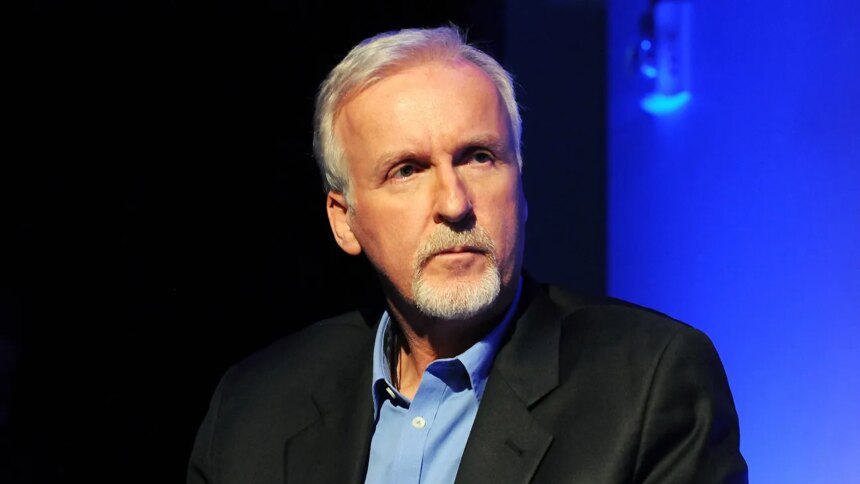
In the ongoing battle over the potential acquisition of Warner Bros. Discovery, Netflix co-CEO Ted Sarandos has openly challenged James Cameron’s recent assertions regarding the bidding war. During an appearance on Fox Business Network’s The Claman Countdown, Sarandos expressed his surprise and disappointment at Cameron’s involvement in what he called a “disinformation campaign” led by Paramount.
Cameron had previously sent a letter to Senator Mike Lee of Utah, warning that Netflix’s purchase of Warner Bros. could severely harm movie theaters and lead to significant job losses in the industry. He argued that Sarandos intended to implement a shorter, 17-day theatrical window for Warner Bros. films, a claim Sarandos vehemently denied. “I have never even uttered the words ’17-day window,'” Sarandos rebutted. “I don’t know where it came from or why he would be part of that machine.”
Sarandos emphasized that Netflix is committed to ensuring that Warner Bros. films will enjoy a traditional 45-day theatrical release, which he stated is essential to the success of the deal. He reassured audiences that a strong lineup of films will continue to be showcased in theaters.
The debate over the theatrical window has gained traction amid regulatory scrutiny of Netflix’s increasing influence in the streaming sector. Questions surrounding the future of Warner Bros. films and their theatrical run have become focal points for lawmakers and industry stakeholders alike. Cameron contended that a decline in theater attendance could have a ripple effect, impacting the entire filmmaking ecosystem.
In response to the criticisms from Paramount, Sarandos highlighted the company’s plans to significantly invest in the entertainment ecosystem, including an ambitious $20 billion production budget for 2026 that is expected to primarily benefit the American economy. He pointed out that Netflix is shifting seven planned overseas productions to New Jersey, which he claimed would help bolster various local industries such as hospitality and transportation. “We’ve put together a production incentive in the State of New Jersey that competes with every other country in the world, that will strengthen the American economy,” Sarandos noted.
In correspondence with Senator Lee, Sarandos reiterated his frustrations with Cameron’s characterizations, asserting that the director was “knowingly misrepresenting” Netflix’s commitment to theatrical releases. This public clash highlights not only the stakes involved in the Warner Bros. bidding war but also the broader implications for the future of cinema, as major players navigate the evolving landscape of film distribution and exhibition.