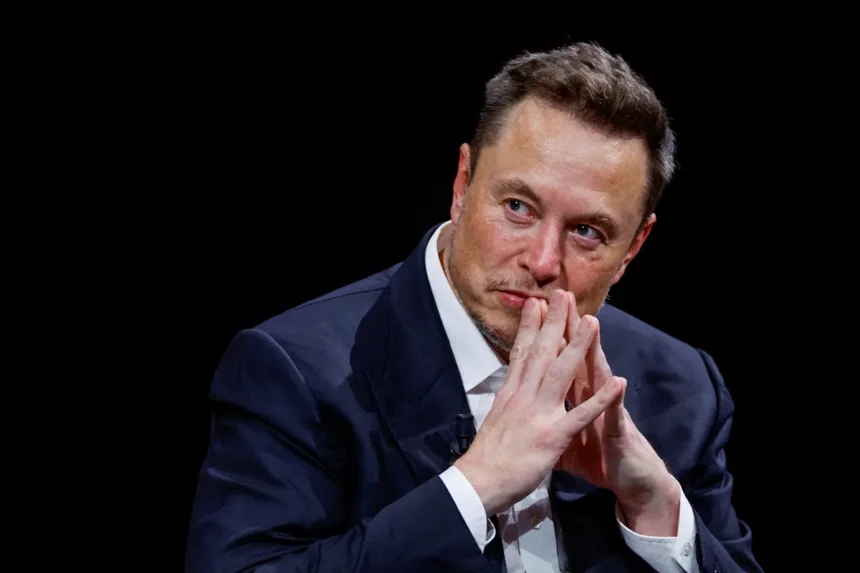
At Tesla’s recent general meeting held in Austin, Texas, shareholders overwhelmingly endorsed CEO Elon Musk’s highly debated pay package, which could amount to an astounding $1 trillion in total compensation. The approval came in with more than 75% of votes in favor, reflecting strong backing from the majority of investors despite some notable dissent.
The newly disclosed compensation package, which was introduced in early September, includes 12 significant tranches of stock options. These options are contingent on ambitious performance targets as set forth by the company’s board. Following the announcement of the vote’s outcome, Tesla’s stock experienced a 2% increase, highlighting investor optimism.
Elon Musk, who previously held a 13% stake in Tesla after several share sales in recent years, emphasized that he has not received a formal salary in years. His previous pay structure from 2018 has sparked legal contention in Delaware, where shareholders argue they lacked sufficient information to assess the compensation granted by the board. A trial judge has sided with them, and the Delaware Supreme Court is currently deliberating on Tesla’s appeal of this ruling.
Musk has expressed discomfort with leading Tesla unless he maintained a minimum of 20% voting power, a status that the new pay arrangement secures for him. Tesla Chair Robyn Denholm underscored the necessity of this package to incentivize Musk to stay engaged in his role and to deter him from pursuing other ventures, such as developments in AI and robotics, outside of Tesla.
This vote comes amid scrutiny from certain investors. Notably, Norway’s $1.9 trillion sovereign wealth fund, which holds a 1.2% stake in Tesla, voted against Musk’s new compensation plan, citing concerns over the overall size of the award, potential dilution of shares, and the risks associated with Musk’s central role as CEO.
In a broader context, other shareholders, including institutional and retail investors, sided with Musk’s proposed compensation strategy. Additionally, shareholders re-elected three directors: Ira Ehrenpreis, Joe Gebbia, and Kathleen Wilson-Thompson. Moreover, a majority backed a proposal for investing in xAI, Musk’s AI startup, though a significant number of abstentions prompted the board to consider further review of the proposal.
As this development unfolds, it remains pivotal for stakeholders to monitor the implications of the approved plan and Musk’s vision for Tesla moving forward. Further updates are anticipated.