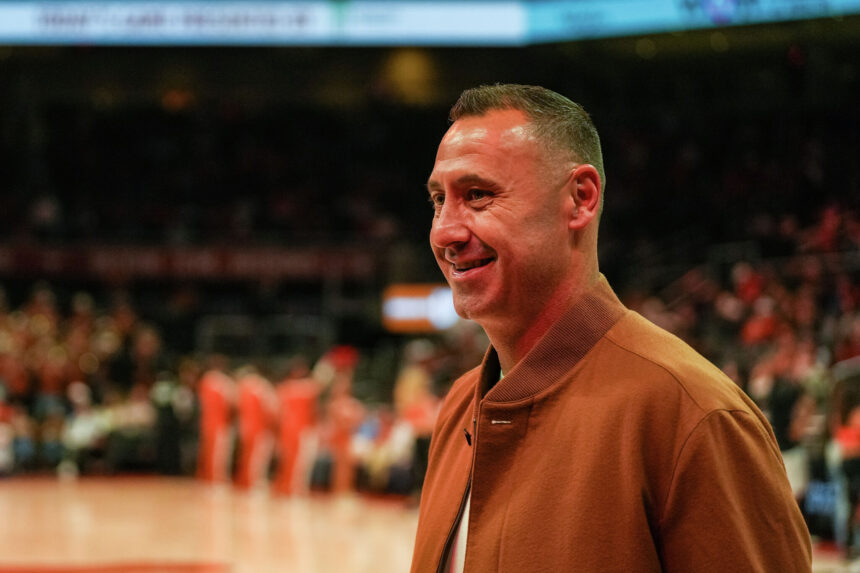
In the lead-up to the Citrus Bowl, Texas Longhorns head coach Steve Sarkisian reiterated his belief that his team deserved a spot in the College Football Playoff (CFP). This sentiment has resonated not only with the Longhorns but also with programs like Notre Dame, which turned down a bowl invitation after feeling slighted by the CFP selection committee. Despite the disappointment surrounding potential playoff snubs, the No. 13 ranked Longhorns are set to face No. 18 Michigan in Orlando, Florida, on December 31.
Sarkisian emphasized the importance of the opportunity presented by the Citrus Bowl, viewing it as a valuable chance for his players. “We felt like if we didn’t get into the CFP, being right on the cusp, we’d have an opportunity to go to a really good bowl game,” he stated. The matchup against Michigan, a prominent team from the Big Ten, offers not only a prestigious bowl experience but also the possibility of achieving a 10-win season, which hasn’t been done by Texas since 2009.
Furthermore, participating in bowl games affords teams added practice time, which can be crucial for player development. Sarkisian likened the experience to an extended spring practice, where younger athletes could showcase their progress and readiness for the upcoming seasons. “This is going to turn into another spring ball for us,” he said, highlighting the benefit for young players eager to make their mark.
In contrast to Texas, other eligible teams like Iowa State and Kansas State chose to decline bowl invitations, opting instead to face financial penalties from the Big 12. This trend raises questions about the perceived value of bowl games in the current college football landscape, which has evolved significantly since the introduction of the playoff system.
As the Longhorns prepare for their Citrus Bowl appearance, Sarkisian and Michigan head coach Sherrone Moore both grapple with decisions regarding player participation. Older players must weigh the potential risks of playing in a game that may carry less significant stakes, while younger players are likely to be more eager to compete.
Schools vary in their approaches to incentivizing bowl participation through contracts related to name, image, and likeness (NIL) deals. While Sarkisian confirmed that Texas does not have such incentives tied to bowl eligibility, Moore expressed a desire for players who genuinely want to compete in the game.
Both coaches are expected to spend the week ahead assessing who will participate in the Citrus Bowl, with Sarkisian noting, “I’m sure it’ll take a little bit of time to get to the final number of who may and may not play.” With a youthful roster at their disposal, Texas finds itself in a unique position, benefiting from deeper player development while still holding on to aspirations for a successful bowl outcome.