On Sunday, Citrini Research published a thought-provoking analysis that imagines a troubling future scenario set in June 2028, depicting a world ravaged by artificial intelligence (AI) advancements. In this speculative narrative, the United States is grappling with soaring unemployment rates, which have climbed to 10.2%. This economic downturn is attributed to an initial wave of mass layoffs that began in early 2026, driven largely by AI’s increasing capabilities. Despite a robust GDP growth and impressive productivity gains, the narrative reveals a disquieting phenomenon termed “ghost GDP”—a situation where economic output is recorded but fails to translate into real-world circulation, leading to drastically reduced consumer spending.
The analysis outlines a vicious cycle wherein improved AI capabilities prompt companies to hire fewer workers. This, in turn, leads to increased white-collar layoffs and, consequently, diminished spending by displaced workers. As firms face margin pressures, they escalate their investments in AI, thereby intensifying the cycle of disruption. The narrative highlights that the fallout is not limited to the software industry; it extends to service sectors, as AI-driven applications and autonomous technologies emerge aggressively, threatening established delivery services and traditional land transport models.
Moreover, the document suggests that a new form of commerce—termed agentic commerce—paired with stablecoins, could entirely eliminate transaction fees, disrupting payment processors and traditional banking models. The analysis specifies, “What follows is a scenario, not a prediction,” urging readers to prepare for potential unforeseen risks as AI continues to distort economic stability.
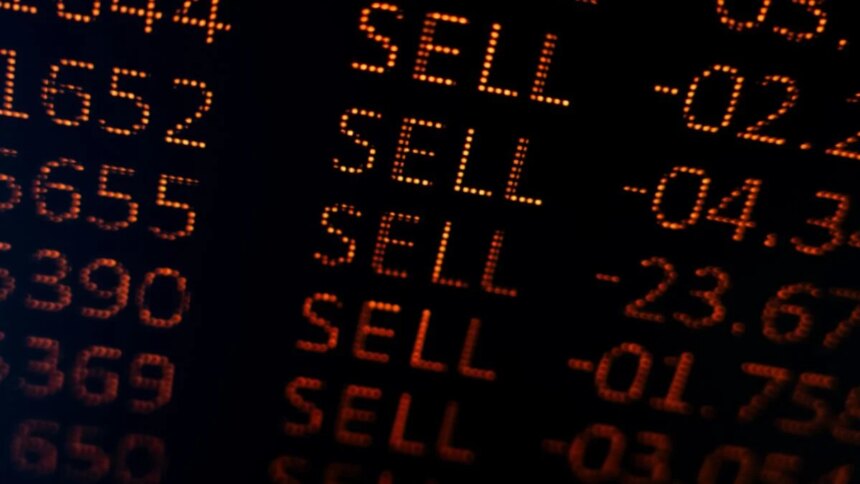
The ramifications of this thought experiment caused immediate chaos in the market. Shares of software companies like ServiceNow plummeted, further impacting delivery giants such as DoorDash and Uber, alongside major payment corporations like American Express and Mastercard. This downturn was exacerbated by a pre-existing bearish sentiment surrounding the software sector, often referred to as the “SaaSpocalypse.” Investors, startled by the unveiling of new AI capabilities, particularly Anthropic’s Claude Cowork, exacerbated the sell-off, convinced that current AI advancements would render specialized software solutions obsolete.
Market analysts have voiced concerns about the implications of these developments for the labor market. Notably, James St. Aubin, chief investment officer at Ocean Park Asset Management, remarked on the narrowing competitive edges of established companies due to the rising influence of AI-driven products. He underscored the gravity of these shifts by likening the situation to a canary in the coal mine regarding labor market dynamics.
Despite the prevailing doom-and-gloom projections surrounding AI, the industry remains divided on future outcomes. Last year, Daniel Kokotajlo, a former OpenAI employee, gained attention for his predictions of swift and impending superintelligence; however, he has since retracted his timeline, noting that developments are occurring at a slower pace than initially expected. Efforts to achieve artificial general intelligence (AGI) remain contentious among experts, with prominent tech leaders forecasting breakthroughs within two to four years, a timeline that contrasts with broader expert consensus derived from a recent survey.
Even amidst these uncertainties, some experts argue that the ongoing sell-off in software stocks is illogical and overly punitive. They assert that enhanced AI capabilities could ultimately increase demand for software, allowing for better-quality applications at lower costs. There’s a palpable irony in the simultaneous market reactions—while investors worry about an imminent AI takeover, they are also expressing skepticism about the massive investments tech giants are making into AI, suggesting a potential bubble.
Market strategist Lochlan Halloway commented on this paradox, indicating that investors seem caught in a dilemma, anxiously concerned about the prospects of both insufficient and excessive AI integration.