People often voice complaints about the baby boomer generation, particularly regarding their accumulated possessions. Critics argue that boomers hoard houses and money, embodying materialism with their numerous belongings. However, these grievances overlook a crucial reality: no generation is uniform in behavior, and everyone gathers items throughout their lives. Moreover, younger generations stand to benefit significantly from the boomers’ impending downsizing, as a wave of estate sales is on the horizon.
Julie Hall, director of the American Society of Estate Liquidators, expressed that we are witnessing what she terms a “tsunami of stuff,” as baby boomers begin to offload their possessions. The over-65 population in the U.S. reached 55.8 million in 2020, with another 42.4 million in the 55-64 age bracket. This aggregate of nearly 100 million people has accumulated an impressive array of belongings, from long-held heirlooms to items inherited from previous generations.
Sarah Hersh, co-owner of Ben Hersh Estate Sales in New Jersey, pointed out that boomers were the first generation raised in a time of mass production and consumerism. Thus, their homes are frequently packed with items ranging from mid-century furniture to contemporary decor. As many aging individuals struggle with what to do with these items, estate sales present an ideal solution. These events can be seen as temporary exhibitions of a person’s life where everything remains available for purchase.
Hersh noted that boomers are often collectors, driven by an enjoyment of entertaining and a belief in the value of their possessions. This sentiment resonates with younger buyers, many of whom are drawn to the sustainable and eclectic aesthetics celebrated by Gen Z’s “cottagecore” and “grandmacore” movements, while millennials and Gen X often seek out mid-century modern pieces and functional decor.
While there’s a perception that estate sales originate from morbid circumstances, they can stem from an array of situations: downsizing, divorce, decorating, and yes, even death. High-end liquidator Janelle Stone from Dallas highlighted that the resurgence of maximalism contrasts sharply with recent trends in minimalism, attracting a younger crowd eager to explore and purchase unique items. Notably, vintage clothing and collectibles are witnessing a significant uptick in demand.
The market for sterling silver has also surged, influenced by the fluctuating price of silver, which recently hit historic highs. Stone remarked that the process of pricing silver has become complex, likening her team to “drug dealers” as they weigh out items to facilitate sales.
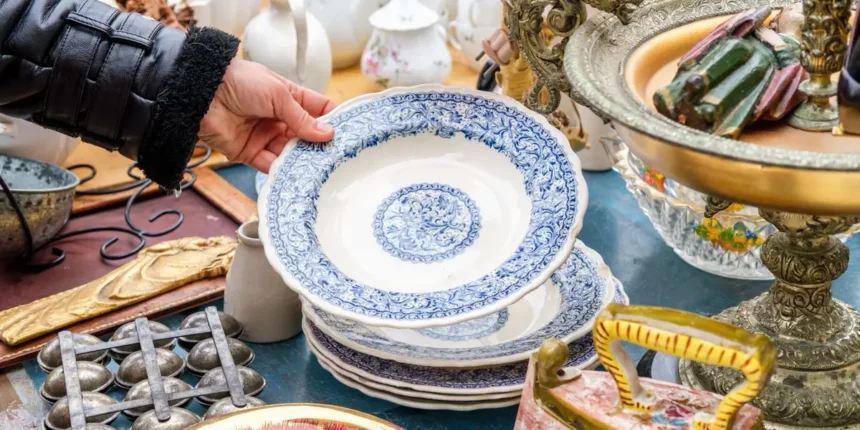
However, not every item is met with enthusiasm. Larger, bulkier pieces of furniture, especially those in darker tones, tend to linger unsold. Younger consumers often gravitate toward smaller, more portable items. For example, crystal and china, staples of many boomer homes, are seeing diminished interest.
Firsthand accounts from recent estate sales illustrate these shifts. A trip to an estate sale in Long Island revealed large quantities of china and hutch-filled glassware — relics of another era that current buyers neglected. The digital age has transformed how estate sales operate, with potential buyers now researching item values online and plotting their approach to sales in advance.
Resellers have emerged as a prominent force in the estate sale landscape. They bring an aggressive competitive spirit to the field, often arriving early to secure sought-after items. Hall noted that while resellers might be pushy, they ultimately assist in clearing out homes, fulfilling the sellers’ key goal.
Influencer Maddy Brannon from Washington, D.C., suggests visiting estate sales later in the day to avoid the race with dedicated resellers, enabling casual shoppers to potentially score better deals. She offers tips for novices, underscoring the importance of understanding the buying process and etiquette.
Navigating the emotional landscape of estate sales can be challenging as people come to terms with the realities of their loved ones’ belongings. Recognizing that children may not wish to inherit certain possessions is part of the process of letting go.
The experience of attending an estate sale is unique, often providing insight into the lives of others through their possessions. As baby boomers begin to transition to smaller homes or assisted living facilities, the estate sale phenomenon is set to grow, offering a rich trove of items laden with history and potential new stories yet to unfold. The next time an estate sale pops up nearby, it may be worth stopping by to uncover hidden gems and vintage treasures.