The cryptocurrency landscape has undergone significant transformations over the past few years, characterized by fluctuating fortunes, political maneuverings, and an evolving relationship with regulatory frameworks.
In 2021, the cryptocurrency market was driven by excitement and speculation. Prominent figures in the industry touted the potential of blockchain technology as a revolutionary force, spurring growth in areas like NFTs and decentralized finance. Major corporations began to embrace crypto, and high-profile endorsements from celebrities and influencers created a sense of urgency among latecomers to join the fray. The rallying cry of “WAGMI” resonated throughout online communities, suggesting that everyone involved would profit immensely.
However, this optimistic phase rapidly collapsed in 2022 as the market crashed. The downfall began with the failure of the Terra algorithmic stablecoin, which erased billions of dollars in value. It escalated with the bankruptcy of Three Arrows Capital and the eventual collapse of FTX, leading to a loss of investor confidence and an exodus from the market. By late 2022, Bitcoin and other cryptocurrencies had plummeted over 60%, marking a stark contrast to the previous year’s euphoric highs.
By 2023, the crypto industry found itself in a “cleanup” phase marked by stagnating prices and increasing regulatory scrutiny. As venture capital funds shifted their focus to artificial intelligence projects, many in the crypto space felt ignored. Regulators began enforcing existing financial regulations, prompting numerous investigations into fraud and bankruptcies. Despite the harsh climate, some in the industry reframed the chaos as a necessary correction, arguing that it would ultimately pave the way for true innovation.
In 2024, as the cryptocurrency sector struggled with stagnating adoption rates, its leaders shifted towards political engagement. Many blamed regulatory hurdles for their struggles, creating a narrative of victimhood that resonated with advocates of deregulation. The crypto sector began to fund political action committees and lobby heavily, hoping to sway lawmakers. With the presidential campaign heating up, crypto became an important topic among candidates, including promises from Donald Trump to bolster America’s standing in the cryptocurrency world.
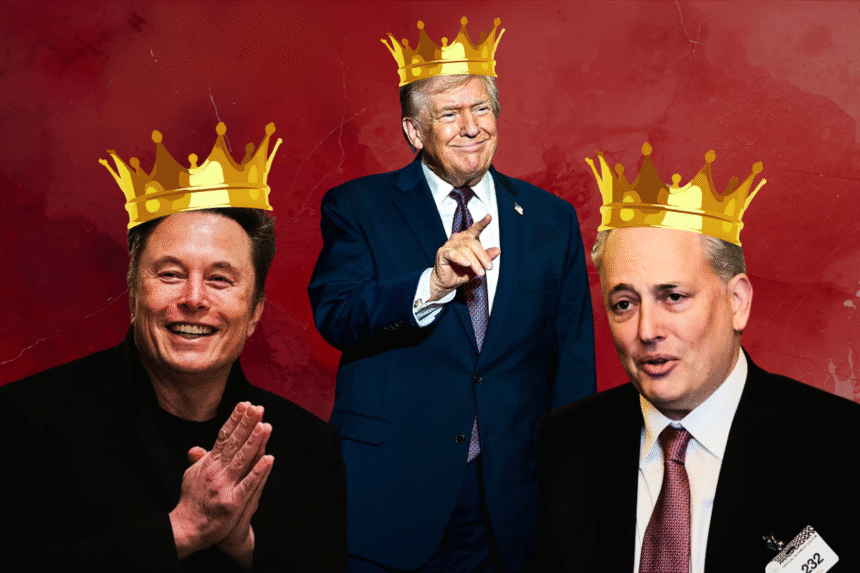
As the next election cycle approached in 2025, the technoligarchy emerged, characterized by a melding of tech interests and political power. Executives from the tech industry secured influential roles in the government and helped shape policies that favored their interests. This era saw the dismantling of regulatory agencies, with former industry leaders helming organizations like the SEC and DOJ, effectively turning watchdogs into promoters of the very sectors they were meant to regulate.
Against this backdrop, former President Trump’s administration leveraged its newfound authority. Controversially, he engaged in international dealings that raised eyebrows, such as purported negotiations with Russia regarding crypto ventures tied to the Ukrainian conflict. This culminated in the unprecedented and violent kidnapping of a foreign leader under dubious pretexts, showcasing an alarming shift in governance wherein powerful tech leaders operated with limited checks on their authority.
The interplay of crypto ambitions and political strategy fueled a worrying trend where regulations designed to protect the public were tossed aside in favor of profit-driven agendas. Struggling citizens faced escalating costs in housing, healthcare, and basic living expenses, while the technoligarchs profited from what they claimed were innovative solutions — often revealing themselves as schemes that deepened existing inequalities.
As the wealth and power dynamics shifted, many ordinary Americans found themselves further alienated from the benefits of these so-called advancements. The groundwork was laid for a potential reckoning: a fragile economic environment, compounded by declining trust in institutions. The reality became clear; the early hopes rallied around cryptocurrencies had morphed into a system that prioritized the interests of a select few over the well-being of the broader population, raising questions about sustainability amid increasing economic pressures.
As the situation evolved, the prospects for both the technoligarchs and everyday citizens became intertwined, leading to a future filled with uncertainty. While the digital future promised liberation through technology, it increasingly appeared beholden to the very power structures it was initially meant to disrupt.