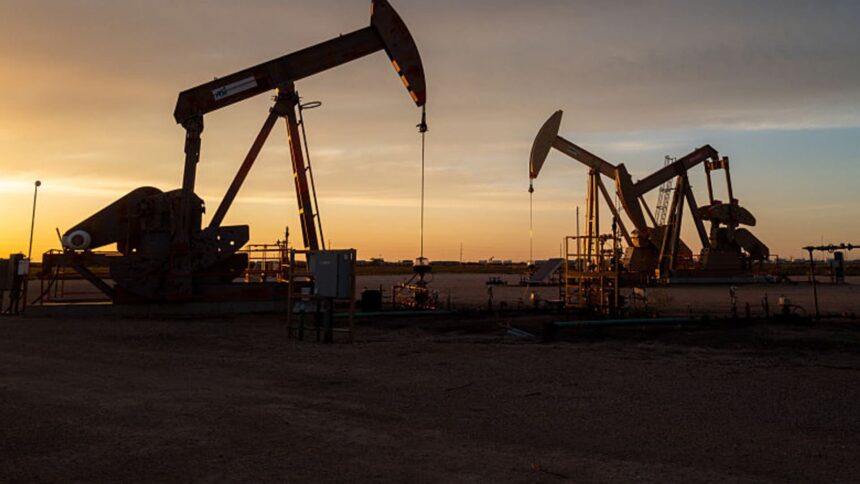
Wall Street is poised for a robust opening this morning as investors react to a drop in oil prices, now falling below $90 a barrel amidst hopes for a potential U.S.-Iran truce. While Iran continues to deny any interest in ceasing hostilities, the falling oil prices appear to have a positive effect on stock sentiment, creating a more favorable environment for equities.
In technology news, Arm is experiencing unprecedented demand for its first in-house chip, the AGI CPU, designed for artificial intelligence applications. This shift marks a significant change for the company, as it transitions from merely licensing its technology to designing processors independently. Following this announcement, Raymond James upgraded Arm’s stock from hold to buy, while Citi analysts project its revenues could reach $15 billion by 2031—outpacing previous expectations. The news has led to a 12% increase in Arm’s shares, aligning with the rise of Nvidia’s GPUs.
OpenAI has successfully secured an additional $10 billion in investments, boosting its total financing in this record-setting round to over $120 billion. Chief Financial Officer Sarah Friar disclosed on “Mad Money” that acclaimed investors like Andreessen Horowitz, D.E. Shaw Ventures, and Microsoft are prominent backers in this funding round. However, there is still uncertainty surrounding OpenAI’s potential initial public offering (IPO), as Friar emphasized the startup’s need to be fully prepared for public markets.
Despite some bullish research reports on Microsoft, including updates from Bank of America and Citi, UBS has cut its price target for the tech giant from $600 to $510. This downgrade stems from ongoing investor apprehensions regarding Microsoft’s software business and its troubles with the Copilot platform, causing shares to slip 2.7% recently. Some analysts are concerned that OpenAI’s relationship with Microsoft could impact Azure’s performance.
Turning to the data center space, HSBC has given a buy rating to Vertiv, suggesting that the long-term outlook for artificial intelligence infrastructure remains strong. Vertiv, which specializes in power and cooling solutions for data centers, has seen its shares rise nearly 2%, contributing to a remarkable 67% gain year-to-date.
Meta, which is part of the CNBC Investing Club, has introduced a sizable stock incentive program for its top executives. To maximize these rewards, the company must achieve a market capitalization of $9 trillion by 2031, a significant leap from its current valuation of $1.5 trillion. This ambitious goal raises questions about the viability of such stock-based compensation plans.
In more disappointing news, Rothschild & Co Redburn downgraded Mondelez, the company behind Oreo, to hold from buy. Analysts expressed concerns about dwindling sales volumes and rising competition in the European chocolate market, along with additional pressures from changing SNAP benefits and the growing popularity of GLP-1 medications. Procter & Gamble remains a favored choice among consumer staples due to its lower risk profile compared to Mondelez.
On a brighter note, Wolfe Research has upgraded General Motors from hold to buy, citing an attractive price point and improvements in the company’s electric vehicle sector. The firm maintained its price target of $96, representing a potential 25% upside from the previous closing price. CEO Mary Barra’s leadership has garnered significant praise as GM navigates the electric vehicle market.
Lastly, pharmaceutical giant Merck announced its acquisition of Terns Pharmaceuticals for $6.7 billion. This strategic move aims to enhance Merck’s oncology portfolio ahead of the expiring patent for its leading cancer drug, Keytruda, in 2028. Merck continues to be favored among investors, bolstered by a recent transformation beyond its flagship product.
As the market unfolds, investors will keep a close eye on these developments and their implications for the financial landscape.