This week highlighted the stark contrasts in the performance of engineering companies in Singapore, alongside a significant surge in US technology stocks driven by optimism surrounding artificial intelligence (AI) infrastructure investment. The dual trends reflect the dynamic and rapidly changing landscape across both traditional engineering fields and advanced technology sectors.
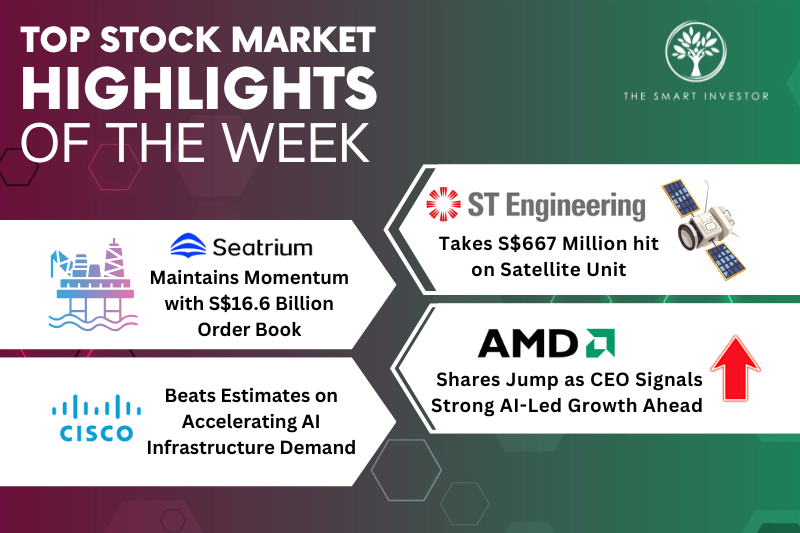
In a notable announcement from Singapore Technologies Engineering (SGX: S63), the company reported a substantial S$667 million non-cash impairment related to its iDirect satellite communications subsidiary. This adjustment drastically reduced the unit’s carrying value from S$837 million to S$170 million. The writedown is indicative of the challenges facing the satellite industry, particularly as non-geostationary satellite orbit (NGSO) operators like Starlink and Kuiper make headway. These new players have launched over 2,600 and 150 satellites respectively, thus minimizing the reliance on traditional equipment providers like iDirect.
The financial implications for the subsidiary are concerning; revenue fell by 9% year-over-year in the first nine months of 2025, while EBITDA declined by 22%. Nevertheless, ST Engineering anticipates remaining profitable for fiscal 2025, buoyed by S$258 million in divestment gains from CityCab, LeeBoy, and SPTel, and plans to distribute a total dividend of S$0.23 per share this year.
On a more optimistic front, offshore and marine engineering company Seatrium (SGX: 5E2) reported a robust net order book of S$16.6 billion in the third quarter of 2025. The company has secured significant new contracts throughout the year, most notably for floating production units with major oil companies. Seatrium’s management expressed confidence in converting its strong pipeline of opportunities, particularly in the oil and gas sector, even as some project timelines face delays due to geopolitical uncertainties. The current order book offers revenue visibility through 2031, with over one-third of projects focused on renewables and cleaner energy solutions, positioning Seatrium for sustained growth. Analysts continue to favor the stock, giving buy ratings with target prices between S$2.76 and S$3.05 per share.
In the US, tech company Advanced Micro Devices (NASDAQ: AMD) experienced a notable stock surge, climbing 9% after CEO Lisa Su countered concerns regarding substantial AI expenditure, describing it as “the right gamble” during a recent CNBC interview. Su forecasted a 35% annual revenue growth for AMD over the next three to five years, attributing much of this growth to rampant demand for AI chips. The data center segment alone could grow by an extraordinary 60% annually through 2030. Many hyperscaler clients have increased their spending considerably, tapping into the potential for positive returns as AI technology matures. In light of these developments, Wells Fargo raised its price target for AMD from US$300 to US$345, citing the company’s expanding market share in server chips and its strengthening presence in the datacenter GPU space.
Cisco Systems (NASDAQ: CSCO) also experienced a notable boost, with shares rising over 7% in after-hours trading following the release of its fiscal first quarter 2026 results. The tech giant reported adjusted earnings of US$1 per share—exceeding the anticipated US$0.98—and revenue growth of 8% year-over-year to US$14.88 billion, surpassing estimates of US$14.77 billion. A significant highlight for Cisco was the surge in AI infrastructure orders from hyperscaler customers, which reached US$1.3 billion during the quarter, up from US$800 million in the previous quarter. CEO Chuck Robbins projected about US$3 billion in AI infrastructure revenue from these clients in fiscal 2026, which is set to triple the US$1 billion recognized in the prior year. Positive business momentum led Cisco to increase its full-year revenue and earnings guidance, both of which are now expected to exceed market consensus.
Overall, the contrasting fortunes of Singapore’s engineering firms, combined with the rising tide of AI-driven investment in the US, provide a compelling snapshot of a market that is evolving at an unprecedented pace.