The ongoing trade friction between the U.S. and China has intensified as the Trump administration has implemented sweeping rare-earths export controls. Presently, these developments come amidst escalating tensions, particularly concerning the U.S. response to China’s dominance in the rare-earths market, where it controls more than 90% of processed rare earths and magnets.
Initially, President Donald Trump proposed a drastic 100% tariff on Chinese goods, combined with software restrictions aimed at curtailing Chinese access to critical technologies. In a recent post on Truth Social, Trump asserted that the U.S. holds a “Monopoly position” that is “much stronger and more far-reaching than China’s,” hinting at further retaliation if negotiations fail. He indicated that he had refrained from utilizing these strengths until now, implying a readiness to take more aggressive actions.
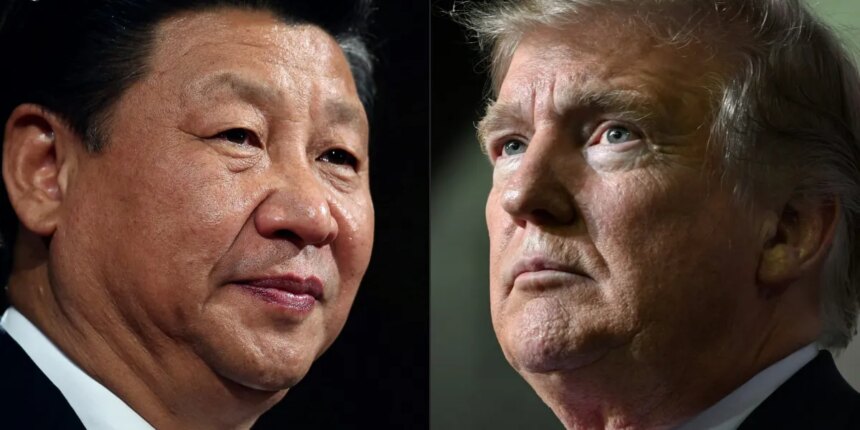
However, Trump’s tone has since moderated, and he has conceded that the proposed tariffs might not be a sustainable long-term solution. Wall Street analysts have interpreted his threats as strategic posturing intended to gain leverage in upcoming negotiations. A significant upcoming meeting between Trump and Chinese President Xi Jinping is still on the agenda, set to occur at a regional economic conference in South Korea, providing a potential avenue for dialogue.
China’s rare earth restrictions have raised concerns among analysts, with some warning that these measures could jeopardize the participation of any country in the modern economy. Despite the severity of the situation, experts from Capital Economics noted that the scope of China’s policy might be narrower than initially perceived. Nonetheless, they believe that China’s actions are aimed at enhancing its bargaining power, particularly as it grows frustrated with the lack of progress on U.S. tariff rollbacks.
Both countries’ economic analysts posited that China’s strategy represents a gamble that could backfire, generating further escalation in retaliation measures from the U.S. A potential U.S. response could involve leveraging its dominance in the commercial aviation supply chain by imposing restrictions on critical components or aircraft exports. Additionally, with a large percentage of China’s laptops and PCs operating on the Windows platform, a halt on sales and updates by Microsoft could severely impact the technology landscape in China, creating significant security vulnerabilities.
Furthermore, the U.S. retains significant leverage in the software market—particularly in advanced manufacturing—where Western firms dominate the chip design software sector in China. This reinforcement of control could provide additional leverage for the U.S. in negotiations.
The U.S. also maintains a robust influence over global financial structures, which could see it freezing dollar-denominated assets of Chinese firms and limiting their access to the SWIFT payment system. Washington could further coordinate with allied nations to impose additional trade restrictions on China, isolating it from advanced economic integrations. In a proactive measure, Mexico has already floated the idea of imposing tariffs of up to 50% on selected imports from China and several other Asian countries.
Commentators anticipate that this trade conflict might lead to a deeper decoupling of the U.S. and Chinese economies. The current situation could either reinforce the fragile trade truce previously negotiated or place China at an even greater disadvantage concerning access to Western markets and technology. The outcome remains uncertain, but the stakes are notably high as both nations navigate this complex economic landscape.