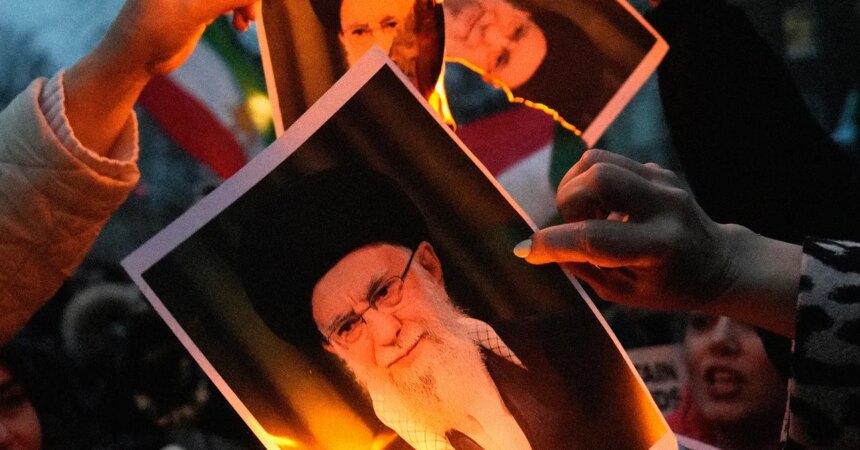
In the midst of escalating tensions between the United States, Israel, and Iran, prediction markets witnessed a surge of activity as traders speculated on the impending military conflict. With substantial financial stakes involved, participants speculated on the timing of missile strikes and their potential impacts, with the total trading volume reaching hundreds of millions of dollars. However, the market dynamics shifted dramatically following the death of Iranian Ayatollah Ali Khamenei, leading to substantial backlash against Kalshi, a prediction market platform.
During the weekend following Khamenei’s apparent assassination, traders expressed outrage over Kalshi’s handling of a significant $54 million market that focused on whether Khamenei would remain in power. The market allowed participants to buy “yes” or “no” contracts based on Khamenei’s status as the supreme leader. Despite rumors about his demise circulating on social media prior to any official confirmation, Kalshi continued to promote the market actively.
Once the news of Khamenei’s death was substantiated, many traders holding “yes” contracts expected a profitable outcome since he was no longer alive. However, Kalshi took the unexpected step of pausing the market for review and ultimately decided to settle it based on the last-traded position before Khamenei’s death. This resolution meant that many traders who had anticipated payouts were left frustrated and confused.
A Kalshi spokesperson later stated that the market included precautions preventing trading on death outcomes. They maintained that the rules had been clear from the outset and emphasized that they reimbursed any fees and net losses due to potential ambiguities in user experience. Following the incident, Kalshi’s CEO Tarek Mansour clarified that their rulebook contained a “death carve-out” for markets related to leaders leaving office. However, a notice indicating this carve-out was only added to the webpage after the military conflict had commenced, leaving many traders unaware of its existence.
The backlash against Kalshi was swift, with some traders accusing the platform of damaging its credibility. Discontent simmered to the extent that several users threatened class-action lawsuits and reported the situation to the Commodity Futures Trading Commission, the regulatory body overseeing prediction markets in the U.S.
In a subsequent apology, Mansour expressed his commitment to ensuring no users would incur financial losses due to the miscommunication and acknowledged that Kalshi had absorbed a significant financial hit — reportedly around $2.2 million — to address the fallout. He promised improvements in communicating the restrictions related to similar markets in the future.
Despite these assurances, discontent persisted among some users. Traders like Nicholas Mahoney expressed their frustration by withdrawing their funds and uninstalling the Kalshi app. Critics claimed the platform should have resolved the market in alignment with traders’ expectations, reflecting ongoing tensions in how prediction markets manage sensitive contracts tied to real-world events.
Kalshi’s situation isn’t an isolated incident; similar criticisms have emerged against other platforms like Polymarket regarding their handling of markets involving significant geopolitical events. This raises ongoing questions concerning the ethics and responsibilities of prediction markets as they navigate complex global dynamics.