Approximately six months before the initial U.S.-Israeli military strikes on Iran, the Trump administration significantly reduced the size and capabilities of the Bureau of Energy Resources (ENR), a specialized unit within the State Department responsible for international energy diplomacy. This initiative, spearheaded by the Department of Government Efficiency (DOGE), aimed to trim the federal workforce and cut budget spending across government agencies.
As the conflict continues to escalate, concerns have emerged from former officials of the ENR regarding the implications of these cuts. With President Donald Trump indicating a renewed focus on strikes against Iran, these experts warn that critical roles were eliminated that could have aided the administration in understanding and mitigating the resultant energy chaos affecting global oil markets.
Two former ENR officials, who chose to remain anonymous to protect their identities, expressed alarm about the depth of expertise lost due to staffing reductions. One former employee highlighted a stark lack of preparedness within the current administration, stating, “You took away the people with the expertise and contacts who would be insanely useful in this context.”
Established in 2011 during the Obama administration, ENR was designed to tackle the complexities of the global energy landscape. Composed of diplomats and policy experts, the bureau maintained robust relationships with foreign energy ministries, private energy companies, and embassies worldwide. It was adept at gathering key information to inform senior officials, thereby influencing energy strategy at various levels.
By mid-2025, the ENR was effectively dismantled, with its remaining functions absorbed into the Bureau of Economic, Energy, and Business Affairs (EEB). This reorganization resulted in approximately 1,300 staff cuts, leaving only a few individuals focused on critical minerals and renewable energy.
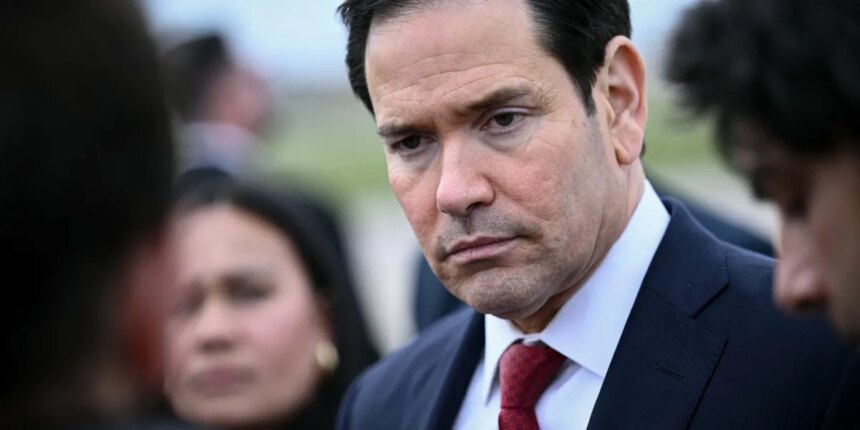
Former officials noted the contradiction between these cuts and Secretary of State Marco Rubio’s stated intent to enhance U.S. influence in global energy matters. Rubio had previously emphasized the importance of engaging with countries that possess energy resources. “Nobody knows why they cut us,” one former official remarked, underscoring the confusion surrounding the decision to eliminate a bureau with such a pivotal mission.
In response to inquiries, a State Department spokesperson insisted that the newly restructured energy policy teams were functioning effectively. The spokesperson noted that EEB was actively coordinating strategic reserves in light of attacks from Iran and fostering increased exploration and production among U.S. companies, highlighting efforts made in regions like Central Asia and Africa.
The ongoing military actions in the region have severely impacted the Strait of Hormuz, a critical passage for over 20% of the world’s oil supply, leading to spikes in crude oil prices and rising gas costs for consumers. Former ENR officials contended that, while the existence of their bureau would not have necessarily prevented the conflict, it would have offered vital data and insights to support energy companies and decision-makers like Rubio in strategizing around energy supply and distribution.
One former employee cited the ENR’s expertise in collaborating with foreign ministries to assess vulnerabilities in critical energy infrastructure, emphasizing that such analyses could have offered strategic paths forward in the aftermath of attacks. They also highlighted the bureau’s ability to tap into existing contracts with specialized private firms to track shipping data and oil tanker movements, thus aiding government officials in navigating disruptions effectively.
The elimination of ENR represents not only a loss of personnel but also a significant depletion of “continuity of experts” within the State Department, as noted by another former official. This gap has produced structural deficiencies in institutional knowledge about energy, particularly regarding oil and gas operations.
Moreover, the absence of ENR personnel has implications that extend beyond immediate energy crises. Their insights into regional energy dynamics could have informed U.S. perspectives on international competitors, such as China’s energy investments. The closure of the Strait of Hormuz may compel China to seek alternative resources, further complicating the geopolitics of energy supply.
In conclusion, former ENR officials convey a profound sense of loss regarding the dismantling of a bureau that once played a critical role in understanding global energy dynamics. The ongoing conflict in Iran, compounded by escalating oil prices and disruptions to supply lines, underscores the crucial need for expert analysis and informed decision-making in these tumultuous times.