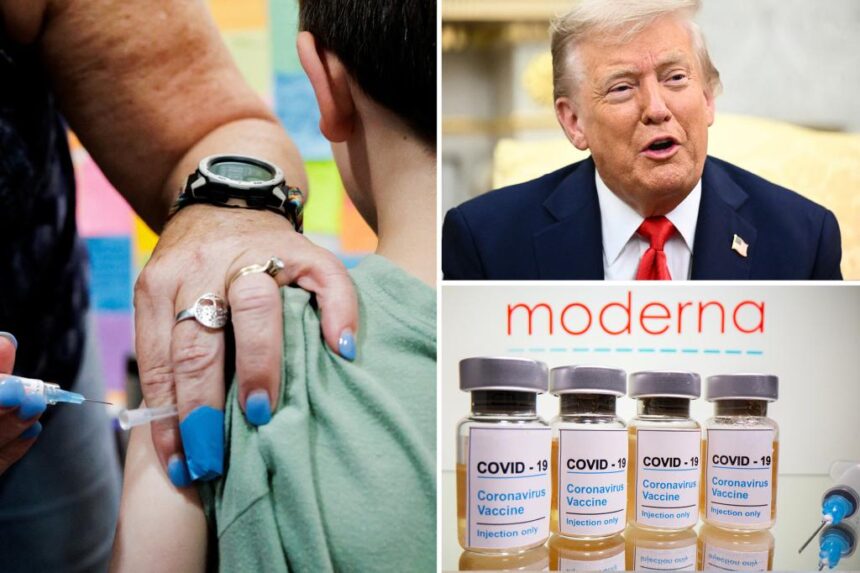
Shares of Pfizer and Moderna took a notable hit on Friday, with declines of 3.9% and 7.4%, respectively, following a report indicating the Trump administration’s intent to present claims linking the deaths of 25 children to COVID vaccines. This claim is part of a forthcoming presentation to a panel of advisors to the CDC, which is currently deliberating new recommendations for COVID vaccinations that could significantly impact access and cost coverage for the vaccines.
According to a report in the Washington Post, the deaths in question stem from data submitted to the Vaccine Adverse Event Reporting System (VAERS). This system allows anyone—including healthcare professionals and the general public—to report any adverse events following vaccination, but it is important to note that these reports are unverified and do not establish a causal relationship between the vaccine and the reported events.
While the planned presentation is not finalized, individuals familiar with the matter indicated that it would include claims based on unverified data, raising concerns about the potential implications for vaccine hesitancy. Andrew Nixon, the communications director for the Health and Human Services Department, emphasized that ongoing analyses of VAERS and safety monitoring data by FDA and CDC staff are publicly shared through the established Advisory Committee on Immunization Practices (ACIP) process. He cautioned that any claims made before this data is shared should be regarded as speculative.
The upcoming meeting of the vaccine advisory panel is critical, as it not only addresses the safety and recommendations for COVID vaccines but also influences whether insurance companies will cover the vaccines and if pharmacies and doctors will continue administering them.
The move to link these deaths to vaccines appears to fall in line with Health and Human Services Secretary Robert F. Kennedy Jr.’s recent controversial actions, including the dismissal of previous panel members and the appointment of new ones. In May, Kennedy directed health officials to cease recommending COVID vaccinations for healthy children, suggesting that only individuals at high risk or those over 65 years of age should be vaccinated. This shift in policy has generated significant debate and concern among health experts.
The ongoing tensions within public health institutions were highlighted further when it was reported that several top officials at the CDC resigned in late August, citing the politicization of vaccine safety and the dismissal of established research by Kennedy’s administration.
In stark contrast to the administration’s stance, the American Academy of Pediatrics continues to advocate for annual COVID vaccinations for children between the ages of 6 to 23 months and beyond, asserting that the vaccines are both safe and effective in preventing serious health outcomes related to the virus. As discussions unfold, the ramifications of this new administration perspective on public health policy remain to be seen, particularly regarding parental trust and healthcare access for vaccinations.