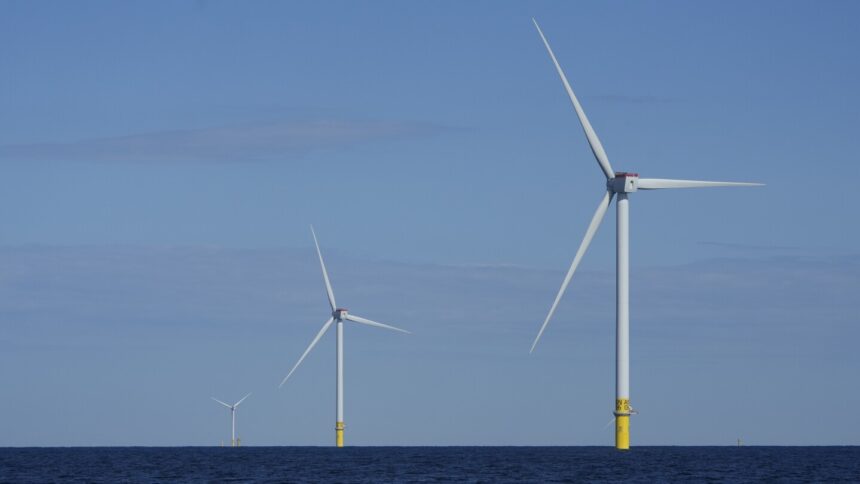
The Trump administration has taken significant steps to impede the development of offshore wind energy, with the latest move aimed at the SouthCoast Wind project in Massachusetts. The Bureau of Ocean Energy Management (BOEM) filed a motion in federal court seeking to retract its approval of the project’s construction and operations plan, a critical federal permit necessary for the deployment of wind turbines.
Situated approximately 23 miles south of Nantucket, SouthCoast Wind has plans to install up to 141 turbines, which would generate power for around 840,000 homes in Massachusetts and Rhode Island. Critics have labeled this ongoing governmental action an “all-out assault” on the burgeoning wind energy sector, emphasizing the stark contrast between the Trump and Biden administrations’ approaches toward renewable energy.
While the Biden administration has approved 11 large offshore wind projects, aiming to generate enough clean energy to power over 6 million homes, Trump’s administration has halted construction on several major offshore wind farms, revoked permits, and suspended new permit approvals. Furthermore, it canceled plans to allocate large areas of federal waters for future wind development and scrapped $679 million in federal funding designated for numerous offshore wind initiatives.
In a related case, the Interior Department requested a federal judge in Baltimore to annul a prior BOEM approval for an offshore wind project in Maryland, indicating that previous assessments of the project’s environmental impact may have fallen short. The proposed Maryland Offshore Wind Project by developer U.S. Wind plans to install up to 114 turbines, aiming to power over 718,000 homes but remains at a standstill pending further analysis.
In January 2025, BOEM had approved SouthCoast’s operations plan, just days before Trump’s second term commenced. The Interior Department has now suggested that this approval may not have complied fully with applicable laws or adequately assessed the potential impacts of the project. Ocean Winds, the developer behind SouthCoast, has pledged to robustly defend its permits in court.
Jason Walsh, executive director of the BlueGreen Alliance—a coalition of labor unions and environmental groups—expressed concern over the implications of Trump’s actions, suggesting they jeopardize job opportunities while undermining the wind energy sector. Trump’s strategy appears to be more extensive than the measures taken by Biden against fossil fuels, according to Kristoffer Svendsen, a legal expert in energy law. He warns that potential investors may begin to perceive the U.S. as a less favorable market for offshore wind projects, prompting them to explore opportunities in Europe and Asia instead.
Two major offshore wind projects have already encountered obstacles under Trump’s administration, with Empire Wind in New York recently resuming construction, while Revolution Wind for Rhode Island and Connecticut remains on hold, facing legal challenges from both the developer and the states involved.
In addition to SouthCoast Wind, the Trump administration is reviewing approvals for another offshore wind initiative off the Massachusetts coast, the New England Wind project, and previously revoked permits for the Atlantic Shores project in New Jersey. As the future of these renewable energy projects hangs in the balance, the landscape for offshore wind development in the U.S. continues to evolve, influenced heavily by the opposing philosophies of the current and former administrations.