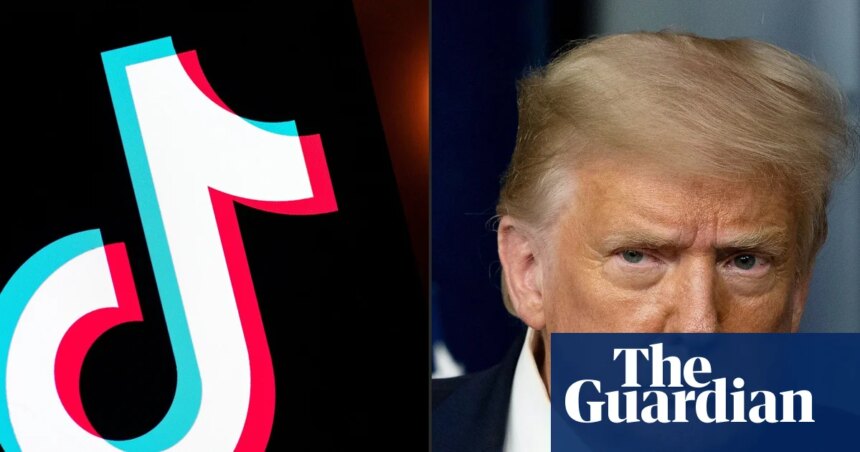
In a significant financial maneuver, Donald Trump’s administration is reportedly on the verge of receiving $10 billion from investors in a deal aimed at establishing a U.S.-controlled version of the popular social media app TikTok. This massive sum is categorized by the U.S. government as a transaction fee, stemming from the acquisition of TikTok’s U.S. operations from its Chinese parent company, ByteDance.
The deal involves a coalition of investors including prominent entities like Oracle, an influential software company; MGX, an investment firm based in the United Arab Emirates; and private equity powerhouse Silver Lake. When the agreement was finalized in January, these investors initially paid $2.5 billion to the U.S. Treasury, with a structured plan to make additional payments until the cumulative total reaches the $10 billion threshold.
Trump has expressed that this financial arrangement constitutes a “tremendous fee-plus,” highlighting the unusual nature of the transaction where the government would take a cut from a private business deal. This precedent-setting measure comes amid rising bipartisan concerns regarding TikTok’s Chinese ownership, which many believe could pose national security risks given the app’s immense popularity in the U.S.
At a signing ceremony for the executive order related to the deal, Trump stated, “It’s owned by Americans, and very sophisticated Americans. This is going to be American operated all the way.” However, the size of the $10 billion transaction fee has drawn scrutiny, as it represents a striking 70% share of TikTok’s estimated valuation of $14 billion, far exceeding the typical commissions—usually around 1%—that investment bankers take in similar transactions.
Under the framework of the agreement, TikTok will continue to operate fully within the United States, although the investors are obligated to share profits with ByteDance, ensuring that the original parent company remains tied to the operation, albeit in a limited capacity.
This unique financial arrangement forms part of a broader trend of unconventional involvement by the Trump administration in private sector transactions, noted for its direct stakes in various companies, including Intel and USA Rare Earth, which is engaged in critical minerals mining. During his presidency, Trump also launched his cryptocurrency, with investors in the venture being offered exclusive access to him in exchange for substantial investment.
In a somewhat controversial revelation, the Atlantic recently reported that Trump’s private phone number is in circulation among CEOs and cryptocurrency investors, with journalists exchanging his contact information for that of world leaders, further blurring the lines between personal and governmental boundaries in business dealings.