The Department of the Interior recently made a controversial move, agreeing to compensate TotalEnergies—a French energy firm—for abandoning two offshore wind projects located off the coasts of New York State and North Carolina. The deal, which encourages TotalEnergies to redirect its investments toward oil and gas, has stirred significant conversation about the future of the offshore wind industry in the U.S.
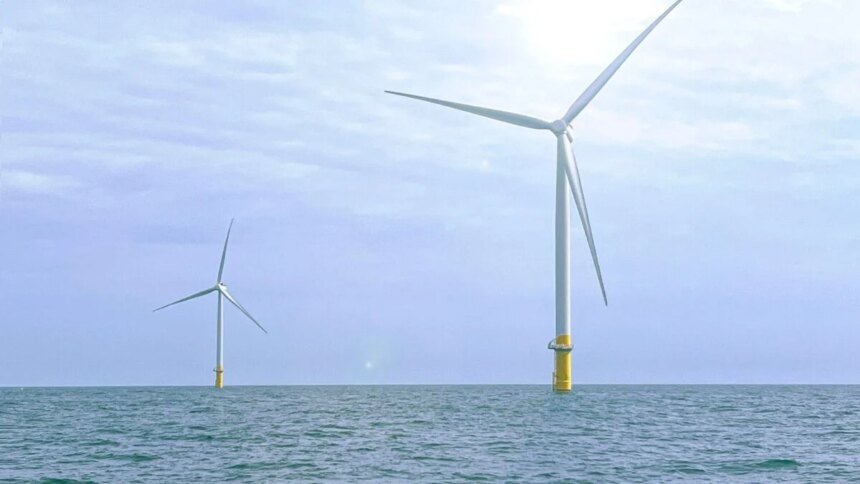
While this decision marks a setback for the offshore wind sector, it is not definitive. On the heels of this announcement, the Coastal Virginia Offshore Wind (CVOW) project commenced operations, further highlighting the ongoing growth of renewable energy. Dominion Energy, the company behind the CVOW project, celebrated the milestone on social media, noting that the wind farm began delivering power to the electrical grid as planned. The 2.6-gigawatt CVOW project, featuring 176 turbines, is expected to be fully operational by early 2027. Upon completion, it could provide sufficient renewable energy to power approximately 660,000 homes and is projected to save consumers around $3 billion in fuel costs over its initial decade.
Dominion provides electric service to Virginia and parts of the Carolinas, areas currently experiencing a surge in data center development driven by advancements in artificial intelligence. This growth has put considerable pressure on the local power supply, which CVOW aims to help alleviate.
The Trump administration’s actions concerning offshore wind projects, however, have met with some resistance. In December, the administration attempted to halt five offshore wind initiatives, citing alleged national security risks. Yet, a federal judge ruled in favor of the projects, allowing them to proceed despite the administration’s objections. CVOW was among those initiatives, successfully launching power generation on schedule.
In contrast, TotalEnergies’ projects—known as Attentive Energy and Carolina Long Bay—will not see the light of day due to their renunciation under this new agreement. By relinquishing leases valued at nearly $928 million, the company is set to redirect resources into the domestic oil and gas sector while being reimbursed for the lease purchases.
TotalEnergies’ Chairman and CEO, Patrick Pouyanné, stated that the decision to move away from offshore wind development reflects what he deems to be the nation’s interests at this time. This arrangement marks a significant shift in the administration’s strategy, opting for financial incentives over regulatory opposition, which could pave the way for similar deals in the future.
Despite challenges posed by the Trump administration, the offshore wind sector appears poised for expansion as more projects continue to advance, underscoring the resilience and growing momentum within the industry.