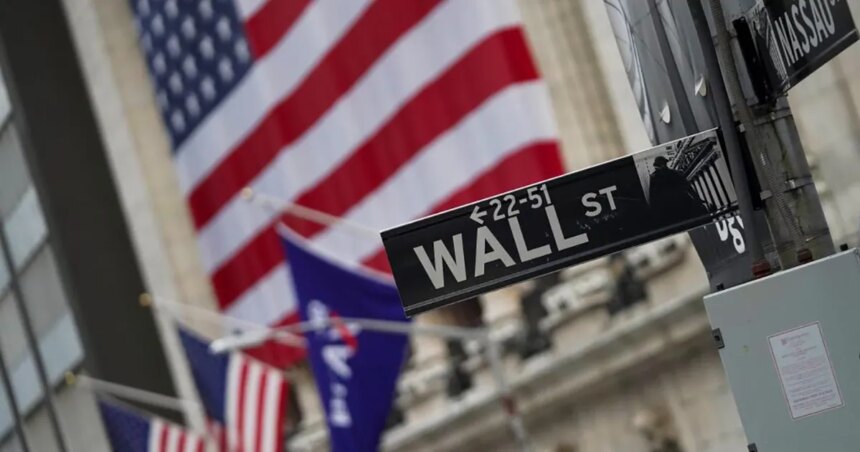
U.S. stocks experienced a downturn on Friday, primarily driven by a significant decline in the technology sector. The Dow Jones Industrial Average reflected this unsettling trend, demonstrating the market’s sensitivity to fluctuations within tech stocks.
In related news, President Donald Trump has expressed strong opposition to the New York Stock Exchange’s (NYSE) plan to establish a new branch in Dallas. This venture, which will be a fully electronic equities exchange, marks the reincorporation of NYSE Chicago, now to be known as NYSE Texas. The NYSE has stated that the initiative aims to expand its reach, not to replace its existing operations, thereby better serving companies in the Southern and Southwestern regions of the United States. Furthermore, Dallas is preparing to welcome the Texas Stock Exchange, scheduled to launch in 2026.
Trump took to social media platform Truth Social to criticize the NYSE’s decision, labeling it “an unbelievably bad thing for New York.” He expressed disbelief that such a development would be allowed to take place, framing it as a challenge for the newly elected mayor of New York City, Zohran Mamdani, a democratic socialist whose administration has raised concerns among local businesses about potential relocations to states with more favorable regulations and tax environments.
On the other hand, Dallas Mayor Eric Johnson echoed Trump’s sentiments regarding the implications for New York but welcomed the strategic move for Dallas. He acknowledged the inevitability of such transitions, stating, “President Trump is right! New York City’s financial institutions moving to Dallas isn’t good for New York.” Johnson has previously predicted a substantial influx of businesses relocating to Dallas, correlating this migration with Mamdani’s policies which he claims are hostile towards the business community, including potential tax increases for employers.
In recent years, several major corporations have already made the move to Texas, including significant names like Tesla, Fisher Investments, and Hewlett Packard Enterprise, all signaling a shift in the business landscape as companies seek more favorable operating conditions.
This evolving scenario raises critical questions about the future competitiveness of traditional financial hubs and the implications for economic growth in regions adapting to changing business climates.