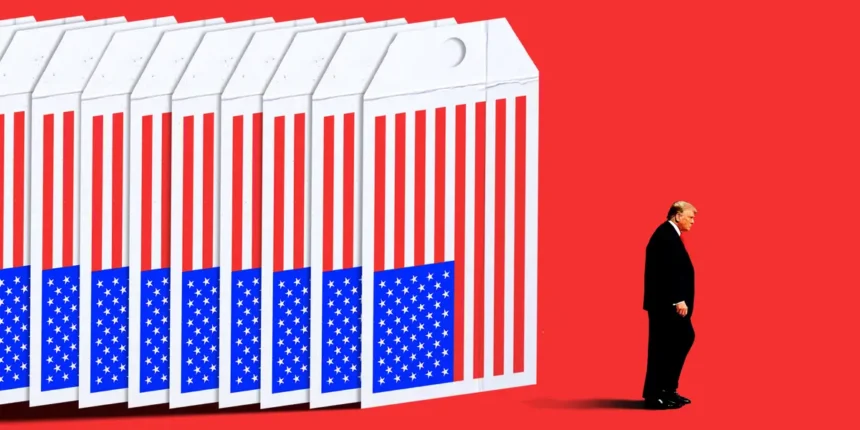
The ongoing economic challenges facing American consumers are eliciting deep frustration and concern, as many grapple with rising prices and stagnant wages. At the heart of this discontent is a perception that the American Dream, once characterized by access to affordable goods, is increasingly out of reach.
Despite claims from the Trump administration suggesting that consumers should accept temporary hardships for a larger economic vision, many families are struggling with the reality of escalating costs. Recent remarks from Treasury Secretary Scott Bessent insinuated that access to affordable goods is not central to the American Dream, a sentiment that has not resonated well with families who desire the ability to purchase essentials, from dolls to household groceries.
Many are expressing their discontent as prices have risen significantly, with consumer prices increasing by approximately 25% since 2020. Although inflation rates appeared to decelerate briefly, they have since picked up again, leading to compounded concerns among the populace. Prices of essential goods, including items like coffee, beef, and eggs, fluctuate dramatically, while durable goods – essential household appliances and electronics – have become more expensive even when declines were anticipated.
Within this context, significant essentials such as housing, childcare, and healthcare are weighing heavily on budgets. Median home prices have surged to over $400,000, compared to about $300,000 just five years prior. Simultaneously, the cost of childcare remains a burden for many families. Moreover, healthcare costs are anticipated to rise steeply in the coming year.
Consumer sentiment remains sour, with many acknowledging that although inflation rates may have dropped slightly, their financial pressures are hardly alleviated. The University of Michigan’s consumer surveys reflect this sentiment, revealing that Americans are aware of the persistent challenges affecting their day-to-day lives. The declining job security and stagnant wages amplify worries about their financial future.
Efforts by the administration to pivot and propose solutions, such as tariff rebates and longer mortgage terms, are met with skepticism. Critics argue that these proposals lack practicality and would lead to increased long-term costs and complications.
High-profile commentators and consumers alike are vocal about their struggles, with numerous polls indicating that a majority of Americans blame the current administration for the high inflation rates. A Washington Post-ABC News poll found that nearly 60% attribute their economic difficulties to the president’s policies, while only a fraction express approval of his economic management.
As Trump attempts to navigate public dissatisfaction, he faces a considerable challenge in regaining trust. Recent measures aimed at allaying consumer concerns include promises to cut costs on essential goods and initiatives to improve wage growth. However, with a cautious populace and ongoing inflation concerns, many remain skeptical of these developments.
The notion that the current American economic landscape is one where consumers must sacrifice in order to achieve betterment is fraught with contradictions. The reality of rising costs against the backdrop of wage stagnation paints a stark picture, leaving Americans tasked with making difficult financial choices while seeking reassurance from their leaders. As the administration grapples with these issues, the public’s desire for affordability and economic stability continues to grow louder.