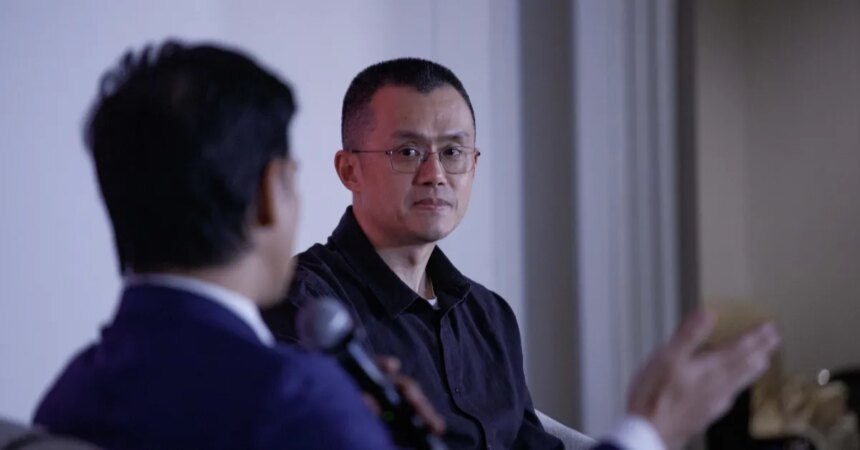
Changpeng ‘CZ’ Zhao, the founder of the cryptocurrency exchange Binance and recognized as the wealthiest figure in the crypto sector, has been pardoned by President Donald Trump. This significant development marks a shift in the approach to crypto regulation in the United States, particularly following a series of crackdowns under the previous administration.
Zhao, who has an estimated net worth of $85 billion, previously pled guilty to violating anti-money laundering laws in 2023 and served four months in prison. His exchange, Binance, has long been a major player in the cryptocurrency market, facilitating the buying, selling, and holding of various digital currencies. The recent pardon, signed by Trump, not only rescinds Zhao’s conviction but also potentially opens the door for his future involvement with Binance, although regulatory hurdles may still exist.
White House Press Secretary Karoline Leavitt emphasized that Trump’s decision came as a response to what she termed the Biden Administration’s “war on cryptocurrency.” She stated that the pardon signifies an end to the Democratic administration’s crackdown on crypto, asserting that Trump was exercising his constitutional powers.
Zhao’s push for clemency reportedly involved lobbying efforts through his lawyer and acquaintance, Ches McDowell, who is connected to Trump’s family. The ties between Binance and the Trump family extend to their involvement in a crypto venture, World Liberty Financial, a link that has drawn criticism from various Democratic lawmakers who perceive the pardon as an indication of corruption.
The pardon of Zhao unfolds in the context of a broader trend where high-profile figures in the crypto industry have received clemency under the Trump administration. Notably, Trump has also granted pardons to Ross Ulbricht, known for operating the Silk Road platform, and Arthur Hayes, the co-founder of the BitMEX exchange, further bolstering the narrative of easing regulatory pressures on the crypto sector.
Prior investigations into Binance by the Department of Justice and the Internal Revenue Service began as far back as 2018, scrutinizing the exchange’s role in facilitating illicit transactions. In November 2023, Binance reached a settlement that involved a guilty plea to charges regarding its failure to adhere to U.S. anti-money laundering regulations and agreed to pay over $4 billion in penalties while committing to improve its compliance programs.
Despite a relatively brief prison sentence, Zhao’s legal troubles initially positioned him as a controversial figure, leading to his temporary resignation from his role as CEO. The Securities and Exchange Commission also lodged charges against Binance and Zhao, yet the lawsuit was ultimately dropped in May.
Speculation grows about Zhao’s return to Binance, especially after he updated his social media profile to reflect a closer connection to the platform. In a public statement expressing gratitude for his pardon, Zhao affirmed his commitment to fostering developments in the U.S. crypto landscape.
Binance publicly celebrated Zhao’s pardon as a significant victory, crediting Trump for his leadership in the cryptocurrency domain. Zhao has remained influential within the crypto community, engaging with audiences through various platforms even in the wake of his legal challenges.
The relationship between the Trump family and Binance raises eyebrows, particularly given their significant financial interests in the crypto sector. With World Liberty Financial’s strategic positioning in the market and the connections to Binance, critics have voiced concerns about the implications for regulation and fairness in the industry.
Lawmakers such as Senator Elizabeth Warren have voiced strong objections to the pardon, framing it as an example of lawlessness and demanding oversight to prevent similar occurrences. Warren and others have called for investigations into the financial ties between Binance and Trump’s family business endeavors.
Senator Thom Tillis expressed that the pardon sends a troubling message, indicating Zhao’s prior conviction should not be overlooked. This situation unfolds as legislators are working towards a bipartisan agreement on new regulatory frameworks for cryptocurrency, raising questions about the future direction of crypto governance in the U.S.
The White House defended the pardon, with Leavitt arguing that it rectifies an overreach by the prior administration, asserting that the current president seeks to promote innovation within the cryptocurrency industry while correcting perceived missteps from former regulators.