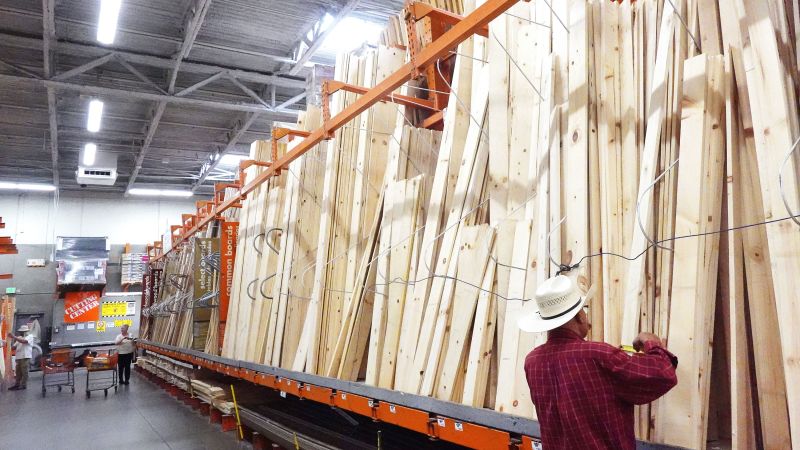
In a move aimed at protecting domestic industries and addressing perceived national security threats, President Donald Trump has announced new tariffs on various wooden products, including lumber, kitchen cabinets, and upholstered furniture. Set to take effect on October 14, the tariffs will impose a 10% charge on foreign softwood lumber and timber, essential materials in the construction industry. Additionally, a steep 25% tariff will be levied on kitchen cabinets and vanities, as well as upholstered wooden furniture.
As part of this initiative, the tariffs are expected to increase significantly in the new year. On January 1, the tariff on cabinets will rise to 50%, while the rate for upholstered furniture will be adjusted to 30%. This announcement was first shared by Trump via his Truth Social platform on Thursday.
In his proclamation, Trump emphasized that these tariffs are intended to bolster local industries and enhance national security. He stated that these actions would not only strengthen supply chains and create high-quality jobs but also increase the United States’ capacity to satisfy domestic lumber consumption while promoting economic benefits through heightened exports.
The decision follows an investigation ordered by the White House in March to assess the potential national security risks associated with imported lumber, predominantly sourced from Canada. Trump has consistently criticized Canada for its substantial lumber exports to the United States. He maintains that the U.S. has sufficient tree resources to meet its own lumber requirements, arguing that American production capabilities are underutilized due to foreign imports.
However, industry experts caution that these tariffs might inadvertently elevate lumber and construction costs, which could, in turn, lead to higher housing prices for consumers. While the U.S. is home to approximately 300 billion trees, economists assert that the current industrial infrastructure is insufficient to fully meet domestic demand for lumber. As it stands, around 30% of the softwood lumber required annually is imported from Canada, which already faces additional countervailing and anti-dumping duties of 14.5%.
The implications of these tariffs could extend beyond the lumber industry. Recent price increases for furniture have already been attributed to previous tariffs imposed by Trump on imports from countries like China and Vietnam—the two largest sources of furniture for the U.S. market. According to the Bureau of Labor Statistics, furniture prices rose 4.7% in August compared to the previous year, with living and dining room furniture experiencing a significant 9.5% increase.
Despite recognizing the economic strain these tariffs could cause, Trump has argued that foreign manufacturers have saturated the U.S. market, necessitating protective measures to restore competitiveness and strengthen American manufacturing. Shares in major furniture retailers such as Wayfair, RH, and Williams-Sonoma have seen declines amid fears of the economic repercussions arising from these new tariffs.
The administration’s actions underscore a shift towards more aggressive trade policies as Trump continues to seek ways to fortify U.S. manufacturing amidst increasing concerns about reliance on foreign products.