In a significant policy shift, President Donald Trump has announced a substantial increase in the annual fee for the H-1B visa, a visa dedicated to immigrant tech workers. As of Friday, this fee has been raised to a staggering $100,000, a move expected to have considerable implications for Indian nationals, who comprise a large portion of H-1B visa holders in the United States, primarily employed by major technology firms.
During the announcement made at the White House, Trump stated that the rationale behind this drastic increase is to incentivize the hiring of American workers. After the proclamation was signed, administration officials clarified that the adjustment aims not only to protect American jobs but also to allow companies to hire what they described as “truly extraordinary people.”
The annual allotment of H-1B visas is capped at 85,000, with approximately 75% of those being allocated to Indian workers. This latest fee hike raises concerns about the future of many skilled professionals who rely on these visas to work in the U.S.
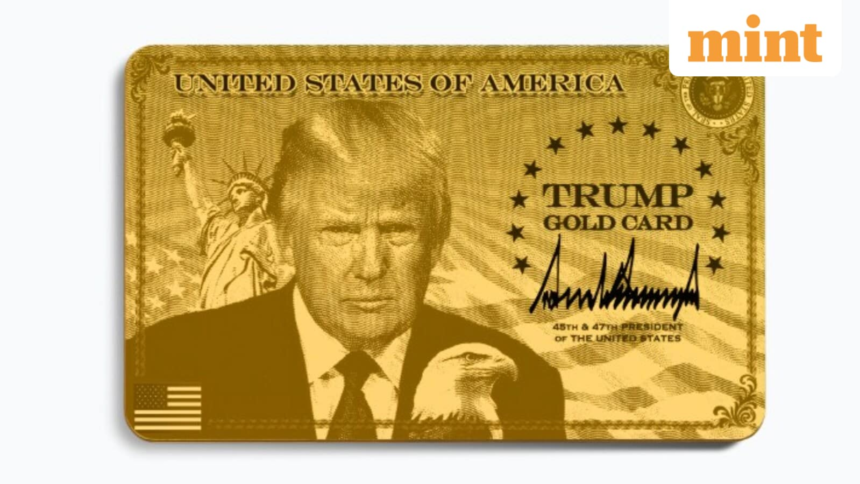
In conjunction with the H-1B visa fee increase, Trump also unveiled an executive order known as ‘The Gold Card.’ This new visa pathway aims to attract individuals of extraordinary ability who are willing to contribute significantly to American society. Trump emphasized that the Gold Card could generate substantial revenue for the U.S., claiming it would bring in “hundreds of billions of dollars.” The President articulated that this funding would facilitate reductions in taxes and national debt while allowing companies to retain the talent essential for innovation and growth.
The Gold Card program prioritizes entry for high-value contributors, including successful entrepreneurs and investors. To apply, candidates must pay a nonrefundable processing fee, followed by an additional payment of $1 million upon approval. This card will permit recipients to live and work across all 50 states and territories in the U.S.
Trump also introduced another tier of the visa program: the Trump Platinum Card, aimed at individuals seeking even more enhanced benefits. Although registration for this card has yet to commence, applicants will be required to secure a spot on a waiting list, with approvals on a first-come-first-served basis. The fee for the Trump Platinum Card will be set at $5 million, and holders will be allowed to reside in the U.S. for up to 270 days per year without incurring taxes on their U.S. income.
For corporate entities, a Trump Corporate Gold Card is being established, designed for businesses wishing to employ foreign staff. To apply, corporations must pay a nonrefundable processing fee of $2 million per employee, along with a modest annual maintenance fee and transfer charges.
These measures reflect the administration’s ongoing push to reshape immigration policy, particularly as it pertains to the tech industry and high-skilled labor, potentially reshaping the landscape of job competition in the U.S.