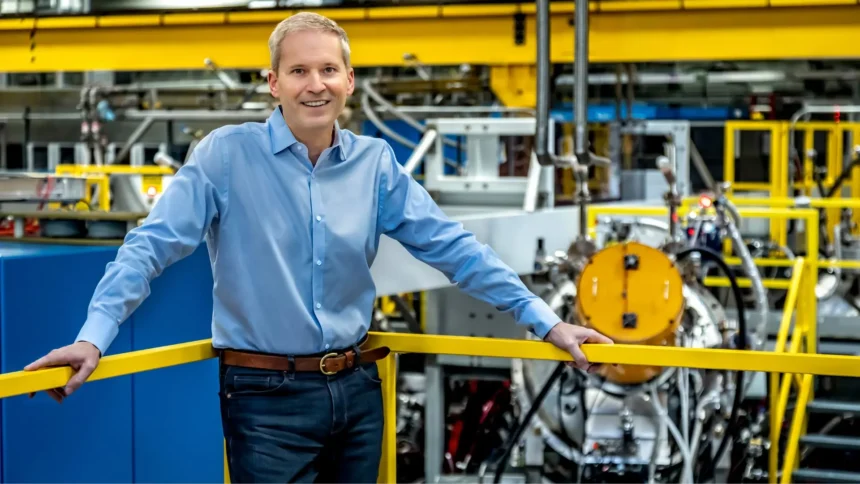
In a surprising move, Trump Media and Technology Group has announced plans to merge with TAE Technologies, a nuclear fusion company based in California. The merger is set to create a combined entity valued at over $8 billion, raising numerous questions about the motivations behind this unusual pairing.
TAE Technologies, known for its focus on developing nuclear fusion systems—technology that has not yet reached commercial viability—also operates in other sectors, such as power management systems for electric vehicles and particle accelerators for medical applications. By merging with Trump Media, TAE aims to gain access to the public market, a strategic advantage that could attract significant investment as it embarks on constructing the world’s first “utility-scale” fusion power plant. Statements from both companies suggest that Trump Media’s access to substantial capital is a primary driver of this partnership, leveraging the brand’s connection to former President Donald Trump for financial gains.
However, the merger raises questions about potential conflicts of interest given the disparate nature of the two businesses—the media landscape and innovative energy development. Observers are left wondering what the implications will be for Trump Media’s existing partnerships, particularly its collaboration with Crypto.com, which had been a focal point in its business strategy.
The previously announced partnership with Crypto.com for a digital asset treasury was touted as a $6.4 billion venture, although much of that value stems from a $5 billion line of credit, which neither company is obligated to utilize. With the merger shift, which includes a $300 million investment in TAE, Trump Media may deprioritize its involvement in crypto initiatives, potentially hindering its ambitions in the digital currency space.
As the combined entity seeks to establish itself in both the energy sector and digital media, changes in strategic focus could mean that crypto-related plans may take a backseat. The implications of this merger will continue to unfold, affecting not just the companies involved, but also the broader landscape of energy independence and digital asset management in the coming years.