In a significant move regarding U.S. monetary policy, President Trump has officially nominated Kevin Warsh to be the next chair of the Federal Reserve. Warsh, who has previously served on the Fed’s Board of Governors, is poised to take over the crucial role that includes setting short-term interest rates and ensuring the financial stability of banks.
This nomination comes at a time when current chair Jerome Powell’s future is uncertain. Powell, who was appointed by Trump in 2017 and re-nominated by President Biden for a second four-year term, has recently faced criticism from Trump for his handling of interest rates. The former president has expressed discontent with Powell, particularly regarding what he perceives as too much compliance with his previous pressure to lower rates, a strategy Trump believes could exacerbate inflation.
Adding to the complexities surrounding Powell’s leadership, the Department of Justice has initiated a criminal investigation into the Federal Reserve. This probe reportedly concerns a renovation project for Fed buildings in Washington, D.C., that has run late and over budget. With Powell’s term set to expire in May, Warsh’s nomination will require Senate confirmation amidst these ongoing controversies.
As political dynamics unfold, some Republican senators, including Thom Tillis of North Carolina, have already signaled their intention to block any nominees until the resolution of the DOJ’s investigation into Powell. The implications of this investigation and subsequent nomination could significantly influence monetary policy and economic stability in the U.S.
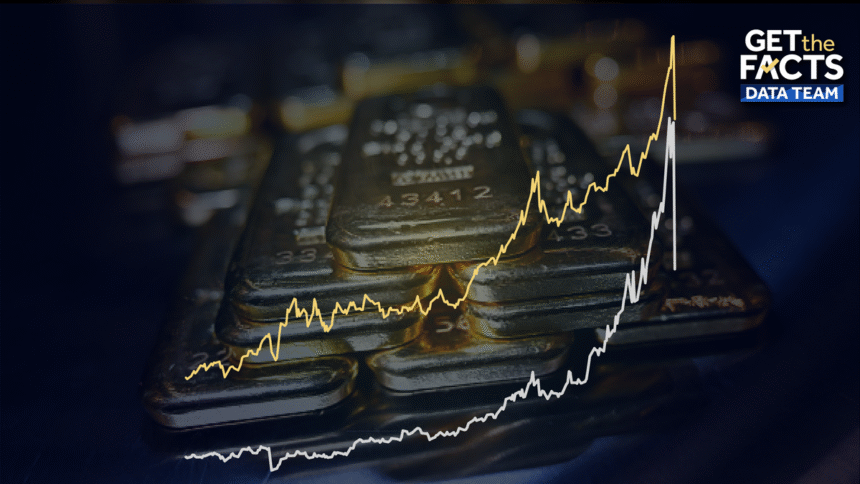
Compounding these developments, the financial market reacted markedly to the nomination as global gold and silver prices experienced a dramatic drop following a week of record highs. Gold peaked at $5,000 an ounce, reflecting an intensified demand for safe-haven assets amid rising geopolitical tensions and fluctuating interest rate expectations. However, just days later, gold fell sharply by 11% in a single day, closing at $4,745 per ounce. Silver saw even steeper losses, plummeting 31% to $78 per ounce.
The volatility in precious metals coincided with the announcement of Warsh’s nomination, drawing attention to how a potential Warsh-led Fed might affect future interest rates—critical factors that influence borrowing costs and financial markets across the board. Warsh, who was also a candidate for the Fed chair position during Powell’s initial selection process in 2017, now faces intense scrutiny from both lawmakers and market participants as his Senate confirmation looms.