







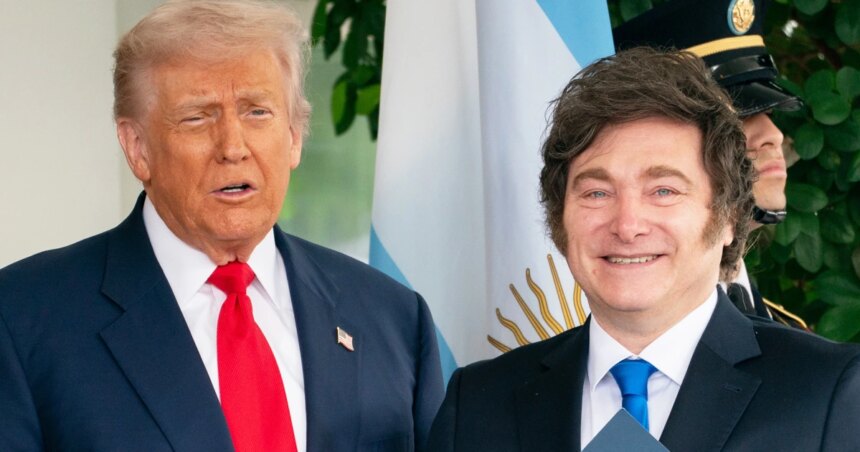
In his inaugural address, Donald Trump made a bold promise to prioritize the welfare of American families, vowing to “put America first.” However, nearly a year into his presidency, many Americans feel disillusioned as the policies emerging from his administration seem to contradict this commitment, leaving them grappling with significant challenges.
Central to this discontent are the sweeping cuts to Medicaid, which his administration has pushed through, potentially stripping health coverage from an estimated 15 million individuals. These cuts, alongside reductions in food assistance for children, seniors, and people with disabilities, have raised concerns about the dire consequences for vulnerable populations.
Additionally, Trump’s erratic trade policies have exacerbated the cost-of-living crisis for many households, with an average tax increase of $1,300 expected in the current year alone. As the Republican-led government shutdown continues, hundreds of thousands of federal workers find themselves without pay, leading to further strain on family finances.
In a move that has shocked many, the White House is proceeding with a $20 billion bailout for Argentina amid these domestic struggles. This decision has sparked bipartisan outrage, raising questions about the rationale behind sending substantial U.S. funds abroad while countless Americans face financial hardship. Farmers, in particular, are highlighting the irony of this bailout, especially as they have been shut out of the Chinese soybean market due to the impact of Trump’s trade policies, which Argentina is now poised to exploit.
During a recent meeting with Argentine President Javier Milei, Trump dismissed concerns about the bailout’s domestic implications by suggesting it was about supporting a “great philosophy” in a foreign nation. Observers note that the timing and nature of this bailout appear more politically motivated than economically sound. Treasury Secretary Scott Bessent labeled Argentina a “systemically important ally,” yet its significance seems to stem from its ideological alignment with Trump rather than any substantive economic partnership.
Milei, who has positioned himself as akin to Trump, is facing his own political difficulties, as his austerity measures have sparked discontent among the Argentine populace. Despite a campaign that promised to curb waste and enhance efficiency, many Argentines have seen their utility expenses soar, prompting growing dissatisfaction with Milei’s government.
With looming elections in Argentina, Trump’s intervention appears aimed at shoring up support for Milei, indicating a willingness to leverage U.S. funds to influence foreign politics. This potential misuse of taxpayer money raises alarms, particularly as Milei’s administration is reportedly entangled in corruption scandals.
The structure of the bailout itself is troubling. The use of the Exchange Stabilization Fund (ESF) to issue a large line of credit comes without the usual conditions and oversight that would protect American taxpayers. Historically, such funds have been accompanied by stringent repayment requirements, designed to mitigate risks for U.S. interests. However, the current administration has offered no such assurances, raising concerns about Argentina’s ability to repay a loan, given its precarious economic standing and speculative bond ratings.
In light of these developments, many Americans are left questioning the sincerity of Trump’s promise to prioritize their welfare. As he dismantles crucial government programs at home while simultaneously funneling taxpayer resources into risky ventures abroad, the gap between rhetoric and reality becomes increasingly pronounced. For those struggling within the United States, the notion of “America first” is swiftly being rendered a mere slogan, with many asserting that they deserve far better than what they are currently receiving from their government.



