









Shares in banks and credit card companies have taken a significant hit following a proposal from former US President Donald Trump to implement a cap on credit card interest rates. On Friday, Trump announced via his social media platform, Truth Social, that he intends for credit card interest rates to be limited to 10% for one year, starting January 20, 2026. However, he did not elaborate on how this cap would be enforced or if it would be legally binding.
The announcement had immediate repercussions in financial markets. Barclays, a UK bank with a considerable presence in the US credit card market, experienced a 3.5% decline in share value. Major American card companies, including American Express, Visa, and Mastercard, also saw declines during premarket trading. Reports indicated that JPMorgan Chase shares dropped by 3.2%, while Bank of America fell by 2.5%. Among credit card firms, American Express’s shares fell by 4%, Visa dropped 1.2%, and Mastercard saw a 2% decrease.
US banking associations have voiced strong opposition to Trump’s proposal, arguing that capping interest rates would limit access to credit and could have severe ramifications for millions of families and small businesses. In his statement, Trump emphasized that the initiative aims to protect consumers from being taken advantage of by credit card companies.
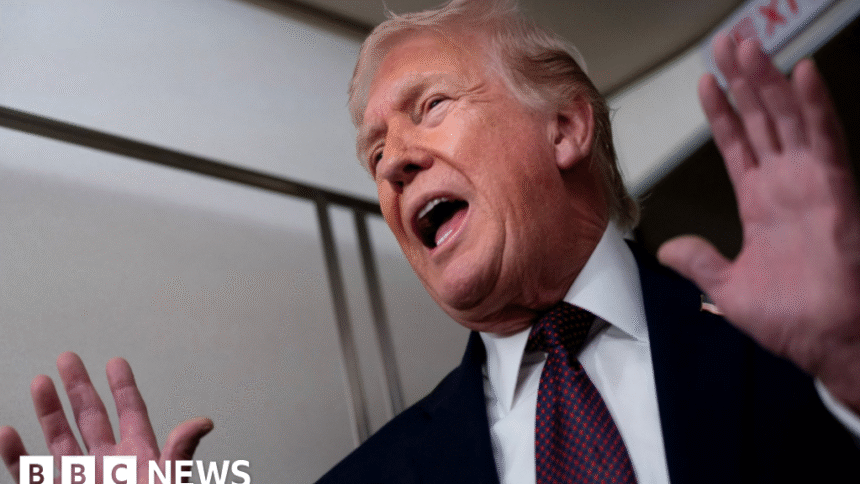
On Sunday, while speaking to reporters aboard Air Force One, Trump escalated his rhetoric, stating that credit card companies would be “in violation of the law” if they did not comply with the proposed interest rate cap. In response, lawmakers have pointed out that such a measure would require legislation to be approved by Congress.
Democrat Senator Elizabeth Warren criticized Trump’s approach, describing the call for cooperation from credit card companies as implausible. She reminded the public that she had previously offered to work on legislation to cap credit card rates if Trump were serious about enacting change, but his subsequent lack of action suggested otherwise.
Previously, Senators Bernie Sanders and Josh Hawley had introduced bipartisan legislation to limit credit card interest rates to 10% over a five-year period, but this initiative has yet to advance through Congress. Adding to the broader context, the Trump administration had, in April 2025, aimed to rescind a regulation introduced by President Joe Biden that capped credit card late fees at $8, part of Biden’s efforts to combat “junk fees.”
Billionaire investor Bill Ackman acknowledged the merit of Trump’s goal to reduce credit card interest rates, but he expressed concern that such a cap could backfire. He warned that it could lead to widespread cancellation of credit cards as companies struggle to adequately assess and price the risks associated with subprime borrowers.
In a joint statement, five US banking associations affirmed they share Trump’s objective of making credit more affordable for Americans. However, they cautioned that implementing a cap at this level would significantly diminish credit availability, ultimately harming the very consumers that the proposal seeks to protect. The statement warned that such a cap could force consumers to seek out less regulated and more expensive credit options.