President Donald Trump is advocating for policies aimed at maintaining high home prices, despite calls from economists, local officials, and housing advocates for increased construction to address the growing affordability crisis in the U.S. His focus on protecting the equity of current homeowners comes amid concerns that a lack of affordable housing is driving many potential buyers out of the market.
During a recent Cabinet meeting, Trump stated, “I don’t want to drive housing prices down. I want to drive housing prices up for people that own their homes.” This sentiment reflects not just a political strategy but also an effort to solidify support among older voters who have benefited from rising home values. As the midterm elections approach, this strategy could resonate with this demographic, potentially boosting Republican voter turnout among older homeowners.
However, this emphasis on older homeowners may alienate younger voters, a key segment that helped Trump secure a second term in the 2024 election. Brent Buchanan, a Republican pollster, cautioned that Trump’s focus on older voters risks neglecting the desires of younger constituents who have been increasingly vocal about the housing crisis. The under-40 demographic is crucial, as their participation levels in upcoming elections could significantly influence results. If they perceive Trump as prioritizing the interests of baby boomers over their own, it could have negative repercussions for Republican candidates.
Statistics indicate that in the 2024 presidential election, 81% of Trump’s supporters were homeowners, many of whom benefit from low mortgage rates. While older voters typically have more influence on election turnout, experts warn that focusing solely on their interests may hinder efforts to expand the voter base, which could be essential for electoral success.
Affordability remains a pressing concern, particularly for younger voters who have consistently ranked it among their top priorities. Experiences like that of Booker Lightman, a 30-year-old software engineer from Colorado, underscore the challenges facing new buyers. Lightman noted that while he and his wife recently purchased a home, many people are being priced out of the Colorado market due to insufficient housing supply.
Real estate agent Shay Hata echoed these sentiments, reporting a significant lack of inventory in markets like Chicago, where properties frequently receive multiple offers. Hata argues that increasing new construction would alleviate some of these issues, making homes more accessible for buyers.
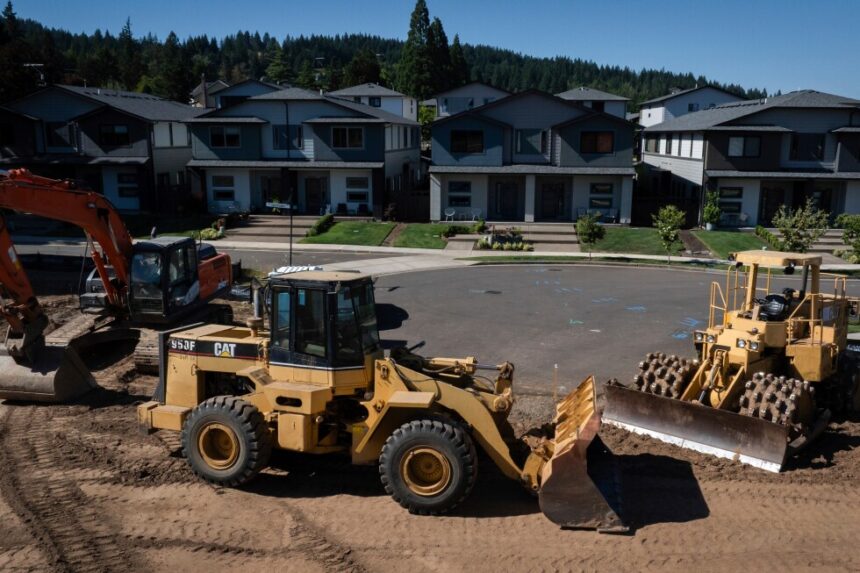
Recent data reveals a concerning decline in housing permits, which fell by 9.4% over the past year, indicating a slowdown in new home constructions. In contrast, Trump previously acknowledged the need for increased housing supply during his campaign, proposing tax breaks for homebuyers, reduced construction regulations, and expanded federal land for developments. However, his more recent statements indicate a shift away from those solutions, favoring instead a focus on reducing interest rates through Federal Reserve lobbying.
Furthermore, Trump has expressed a desire to restrict large financial institutions from purchasing homes and has shown reluctance to explore the possibility of allowing buyers to utilize retirement funds for down payments, fearing it could negatively impact the stock market.
With the upcoming elections posing challenges, lawmakers from both parties are considering strategies to encourage construction, including changes to zoning laws. As home prices outpace income growth, many families resemble affluent homeowners on paper, even as they grapple with financial strains.
If economic growth proceeds as Trump has promised, increased demand for housing could exacerbate affordability issues, as observed by Edward Pinto from the American Enterprise Institute. Pinto cautioned that substantial increases in single-family home construction—ranging from 50% to 100%—are necessary to stabilize average home prices, questioning the validity of Trump’s fears about declining values.
In sum, Trump’s stance on housing reflects a complex balancing act: a desire to cater to the interests of older, established homeowners while navigating the discontent of younger voters facing a daunting housing market. As political and economic pressures mount, the effectiveness of his strategy remains to be seen.