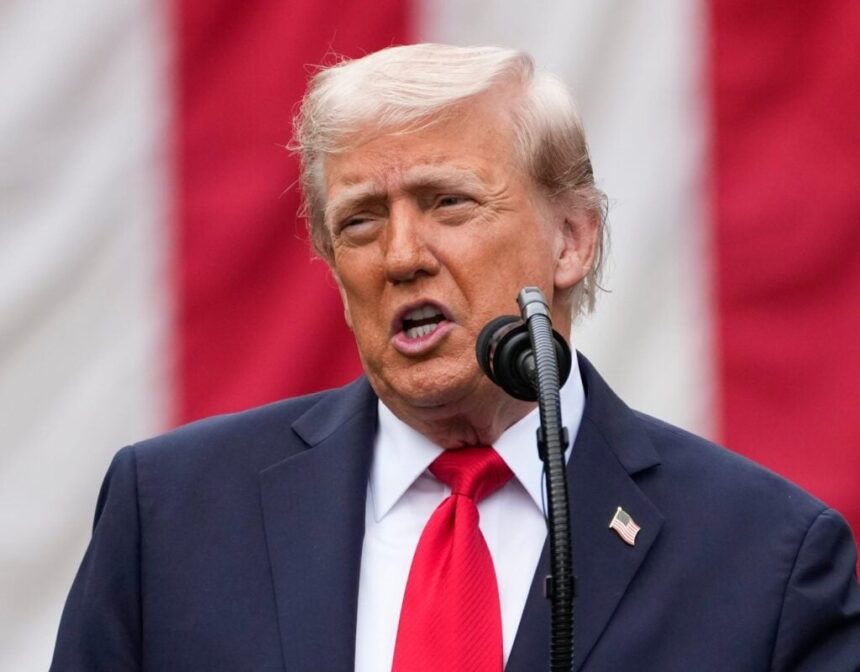
In a bold move over the weekend, the U.S. launched a military operation in Venezuela’s capital, Caracas, resulting in the capture of President Nicolas Maduro and his wife, Cilia Flores. This action, justified by President Donald Trump citing Maduro’s indictment on drug-related charges, has sparked significant discussion regarding its implications for the cryptocurrency market, particularly Bitcoin.
Arthur Hayes, founder of BitMEX and head of Maelstrom investment, has expressed optimistic predictions about the potential rise of Bitcoin and other cryptocurrencies as a result of this geopolitical maneuver. In a recent blog post, Hayes claimed that, “The price of Bitcoin and certain cryptos will skyrocket,” suggesting that the U.S. is primarily targeting Venezuela’s vast oil reserves, which amount to over 300 billion barrels—the largest globally.
Following the operation, Trump indicated intentions to engage U.S. oil companies to rehabilitate Venezuela’s oil infrastructure. His discussions hinted at an agreement where the interim Venezuelan government would provide the U.S. with up to 50 million barrels of oil, to be sold at market price. Trump elaborated on the financial strategy, stating that proceeds from this oil would be managed to benefit both Venezuela and the U.S.
Hayes speculated that the overarching goal of this operation is to exploit Venezuela’s oil resources to decrease energy prices. This, according to him, would enable Trump to stimulate the economy through deficit spending and credit, easing concerns regarding inflation as midterm elections approach. Current political forecasts give Democrats a 79% chance of taking control of the House, creating pressure for Trump to address rising costs and bolster economic performance.
While Hayes acknowledged the uncertainty surrounding the feasibility of oil extraction from Venezuela, he anticipates that the oil market will respond positively in the short term, setting a favorable environment for Bitcoin—a digital asset that has shown resilience in credit-driven economic conditions. In tandem, crude oil prices experienced fluctuations, decreasing from above $57 per barrel to nearly $56, before stabilizing, while Bitcoin demonstrated a 5% increase from around $90,000, peaking at nearly $95,000.
As Hayes navigates the market with a high-risk strategy, focusing heavily on Bitcoin investment, he has also indicated a shift towards privacy and decentralized finance positions. He anticipates that privacy will emerge as a focal point within the cryptocurrency space this year, predicting substantial interest in privacy coins like ZEC.
Market analysts across the board are beginning to align with Hayes’s viewpoint, underscoring the growing importance of privacy in the cryptocurrency sector. This sentiment echoes predictions from prominent figures, suggesting that 2023 could see significant advancements and interest in privacy-centric digital assets.
The wider investment landscape continues to evolve, with various platforms offering diversified options beyond traditional asset classes, allowing investors to mitigate risk and pursue steady returns across multiple sectors. As these geopolitical events unfold and influence market dynamics, both traditional and digital asset investors remain vigilant, seeking opportunities to adapt their strategies in response to these global developments.