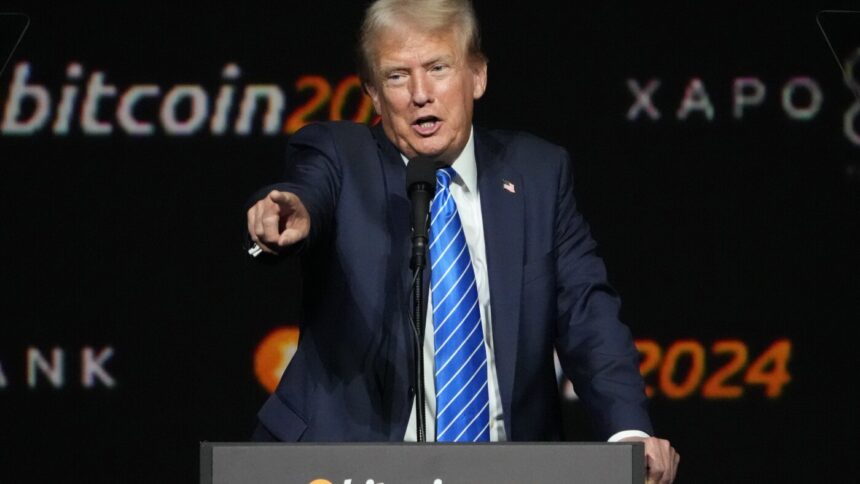
Amid a turbulent landscape for the cryptocurrency market, President Donald Trump’s recent re-election has been both a boon and a burden for the industry. As he campaigned to position the U.S. as “the crypto capital of the world,” his administration has seen a flood of pro-crypto regulatory actions and supportive legislation from Congress. This shift initially propelled the value of Bitcoin to unprecedented heights, reaching approximately $126,000 per coin in October 2025. However, a stark reversal has left many investors questioning the viability of their investments, particularly with Bitcoin plunging to around $60,000.
The remarkable rise in value followed by a sharp decline serves as a chilling reminder of the cryptocurrency market’s notorious volatility. Much of the initial excitement stemmed from investor optimism post-election. Speculative trading took hold, with many individuals leveraging their investments to acquire even more cryptocurrencies. This borrowing strategy gained traction during Bitcoin’s ascent, amplifying profits. However, as the digital currency’s value receded, it exacerbated losses for these investors, leading to a cascading effect within the market.
The turning point came on October 10, when Trump suggested implementing an additional 100% tariff on Chinese imports, compounding existing trade tensions. This announcement rattled not just the crypto sector, but a wide array of markets, prompting a sell-off that contributed to Bitcoin’s decline. While traditional stock markets like the Dow Jones eventually rebounded, the crypto sphere’s response has been far less forgiving, haunted by its history of extreme price fluctuations.
Skeptics, including Ben Schiffrin from the consumer finance advocacy group Better Markets, have underscored the inherent risks associated with cryptocurrencies. Schiffrin noted that the recent downturn has revealed Bitcoin’s status as a speculative asset rather than a reliable investment, highlighting the need for caution among potential investors.
The cryptocurrency market has weathered similar storms before, showcasing a cycle of rapid growth followed by sharp contractions. The unprecedented trading boom at the beginning of 2022, fueled by the pandemic, soon gave way to instability caused by rising interest rates and the dramatic collapse of the crypto exchange FTX. This downturn led to a “crypto winter,” with Bitcoin plummeting from around $50,000 to below $20,000 before exhibiting signs of recovery under Trump’s administration.
Despite the current slump, there remains cautious optimism among industry proponents. A modernized regulatory framework could provide some stability moving forward. Under Trump’s leadership, Paul Atkins, a supporter of the cryptocurrency industry, has been appointed as the chair of the Securities and Exchange Commission, signaling potential favorable oversight. Additionally, Congress passed significant legislation concerning stablecoins, aiming to develop a regulatory environment conducive to growth.
While a pivotal bill determining the regulatory framework for cryptocurrencies remains stalled, industry advocates are actively lobbying for its passage. The path ahead for Bitcoin and other digital currencies remains uncertain, but supporters believe that the groundwork laid by the Trump administration could eventually lead to a more stable and prosperous era for the cryptocurrency industry.