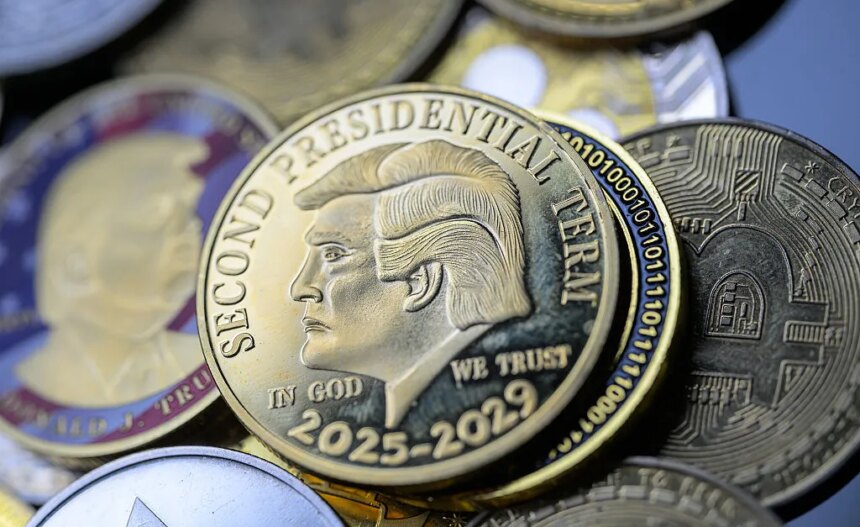
For decades, Donald Trump amassed wealth primarily through real estate, golf courses, and various branded products, including vodka, steaks, ties, and mattresses. However, by the beginning of his second term in office, his financial landscape had transformed significantly. By 2025, Trump’s net worth surged to approximately $7.3 billion, a notable increase from $3.9 billion in 2024, largely attributed to investments in the social media and technology company he established in 2021, along with cryptocurrency ventures initiated shortly before he assumed office.
In mid-December, the Trump Media and Technology Group announced a merger with TAE Technologies, a firm specializing in nuclear fusion technology. This development has raised eyebrows regarding potential conflicts of interest, considering Trump’s administration is responsible for regulating the nuclear industry. Unlike previous modern presidents who have placed their assets into blind trusts or diversified funds to mitigate public concern over policy favoritism, Trump has stayed actively involved in his business ventures throughout both his first and second terms.
White House Press Secretary Karoline Leavitt asserted in May that Trump is adhering to all relevant conflict-of-interest laws. She emphasized that the notion of the president profiting from his presidency is “absurd.” Critics, however, argue that this situation creates the appearance that Trump might prioritize his financial interests over the nation’s well-being. The influence of wealthy individuals or sovereign wealth funds, who invest in stocks and cryptocurrencies, could intensify financial pressure on a sitting president, underscoring the importance of divestment to prevent the opportunity for financial manipulation.
In a striking turnaround, Trump, once a skeptic of cryptocurrency, changed his stance as his campaign toward the presidency gathered momentum. Initially expressing doubts about the cryptocurrency market, claiming it seemed like a scam, he pivoted to embrace the sector. His campaign website began accepting cryptocurrency donations, stating Trump “stands ready to embrace new technologies.” This shift was further evidenced by significant donations from crypto firms—totaling $18 million to his inauguration fund.
As he took office, Trump ventured into the cryptocurrency scene by launching meme coins, including $TRUMP and $MELANIA, alongside creating federal regulations for the industry through the GENIUS Act. By September, Forbes suggested that his crypto-related enterprises had generated considerable financial gains, with estimations of his assets amounting to hundreds of millions.
Concerns continue about the implications of Trump’s crypto investments on regulatory decisions from his administration. Critics highlight the potential conflict inherent in a president whose financial success may hinge on the regulatory landscape of the crypto industry.
His social media initiative, Trump Media and Technology Group, which oversees the platform Truth Social, is evaluated at around $2 billion, despite reporting only $3.6 million in sales and a significant net loss of $401 million in 2024. The upcoming merger with TAE Technologies potentially positions Trump in direct competition with energy companies he governs as president.
In addition to these ventures, Trump launched various licensing deals shortly before taking office, which included products like Bibles, watches, and fragrances. According to Trump’s financial disclosure, he generated millions from these deals in 2025, including $3 million from Bible sales on a website associated with musician Lee Greenwood, among other notable income sources.
This complex intertwining of Trump’s personal financial interests with his role as president raises important questions about transparency and conflict of interest, highlighting challenges in navigating the intersections of wealth and governance.