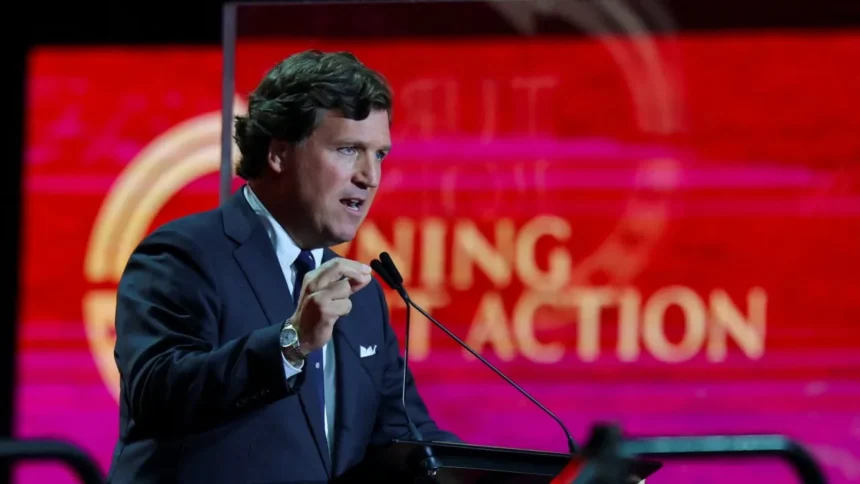
In a bold declaration, Tucker Carlson has raised concerns about the role of evangelical pastors in the ongoing conflict in Gaza, accusing them of prioritizing political agendas over fundamental Christian teachings. Speaking to his audience, Carlson emphasized his personal connections with some of the pastors he critiques, suggesting that these leaders have, in his view, strayed from the core principles of their faith in light of current political dynamics.
Carlson’s remarks reflect a growing tension within certain religious communities as they navigate the complex interplay between faith, politics, and international events. He argued that these pastors have allowed their interpretations of biblical prophecy to influence their stances on the conflict, thereby compromising their commitment to the teachings of Christianity.
The commentator’s statements have sparked significant debate among both supporters and critics. While some agree with Carlson’s assessment, viewing it as a necessary call for integrity among religious leaders, others accuse him of politicizing faith and undermining the efforts of those who strive to promote peace and humanitarian efforts in the region.
As public discourse surrounding the Gaza conflict intensifies, Carlson’s critique of evangelical leaders serves as a reminder of the challenges faith communities face in maintaining their core beliefs amid complex political realities. The conversation raises important questions about the responsibilities of religious leaders in times of crisis and the potential implications of their political engagements on their congregations and broader society.