Since September, the United States has engaged in what many are calling an unprovoked assault on Venezuelan vessels alleged to be transporting drugs. Critics highlight the lack of evidence supporting these claims, with reports indicating that these attacks have resulted in the deaths of dozens of individuals. Most shockingly, it was disclosed that survivors of one vessel, which had been reportedly incapacitated, were executed, raising serious ethical and legal concerns.
Amidst this turmoil, a growing sentiment among critics suggests that these actions warrant serious accountability, particularly targeting prominent political figures. The focus shifts to figures like Pete Hegseth, whose potential involvement in these operations has sparked discussions about impeachment. While some argue that the president should also face scrutiny for these actions, attention centers on Hegseth—who may face pressure to resign amidst decreasing public support.
Looking ahead, political analysts foresee a promising environment for Democrats in the upcoming midterms. Citing a recent special election where a Republican candidate’s lead significantly dropped from a previous election, strategists suggest that even a modest swing could enable Democrats to reclaim the House and contest control of the Senate.
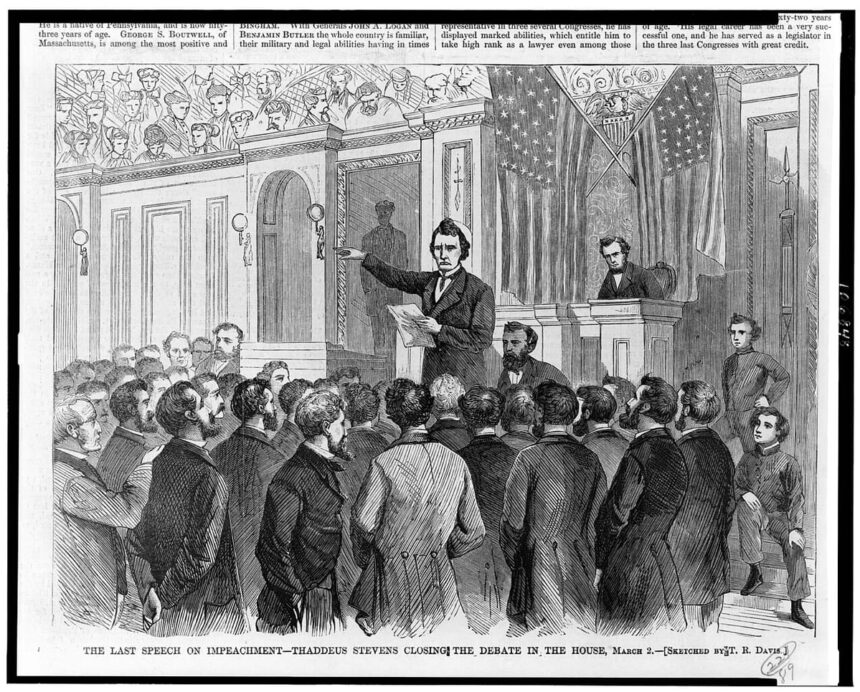
However, there remains skepticism about the feasibility of impeachment in a potentially divided Congress. Critics argue that supermajoritarian requirements for removal often hinder accountability, allowing the president’s party to maintain undue influence over the process. Historical precedents, such as successes in South Korea, are cited to advocate for a reform of impeachment procedures, particularly suggesting that secret ballots could empower legislators to act in line with their convictions without fear of partisan backlash.
The prospect of a Democratic Congress in 2027 presents a potential opportunity for renewed impeachment efforts. By implementing secret ballots during trials, proponents argue that it could foster greater bipartisan support for removals. Figures such as Hegseth, Kristi Noem, and others associated with the Trump administration are identified as possible targets for impeachment, should the political landscape shift favorably.
This push for potential accountability raises questions about the direction of U.S. political discourse and the broader implications for governance. Advocates suggest that pursuing comprehensive responses to perceived corruption and misconduct not only reinforces party positions but also serves as a necessary corrective measure in a complex political landscape.
In light of these developments, the dialogue surrounding impeachment, accountability, and democratic processes continues to evolve, reflecting the tensions and challenges inherent in the American political system.