The U.S. cryptocurrency industry is on the brink of receiving a regulatory framework, with hopes for official policy that delineates how various digital assets are treated by federal agencies. However, the future stability of these regulations is in question, as they may not be permanent fixtures.
Securities and Exchange Commission (SEC) Chairman Paul Atkins has expressed his determination to overturn what he describes as a negligent stance on crypto policy taken by his predecessors. He is prepared to introduce rules aimed at providing the regulatory clarity the industry desperately needs. However, these rules could be easily undone by a simple commission vote, raising concerns about their lasting viability. Atkins emphasized the necessity for a solid legislative foundation to ensure no regress occurs in future administrations. During his testimony before the Senate Banking Committee, he stated, “We need a firm grounding in statute so we can’t have any backsliding in the future,” underlining the importance of legislative backing for any forthcoming regulatory guidelines.
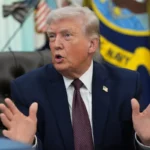
Despite Atkins’ enthusiasm to offer innovation-friendly rules, efforts to establish concrete legislation are struggling in the Senate. Ongoing discussions between crypto executives and lawmakers are proving difficult, especially concerning stablecoin rewards programs. Democratic lawmakers remain apprehensive due to unresolved issues, including full staffing of regulatory commissions and potential conflicts of interest when senior officials have significant ties to the crypto industry, notably referencing former President Donald Trump.
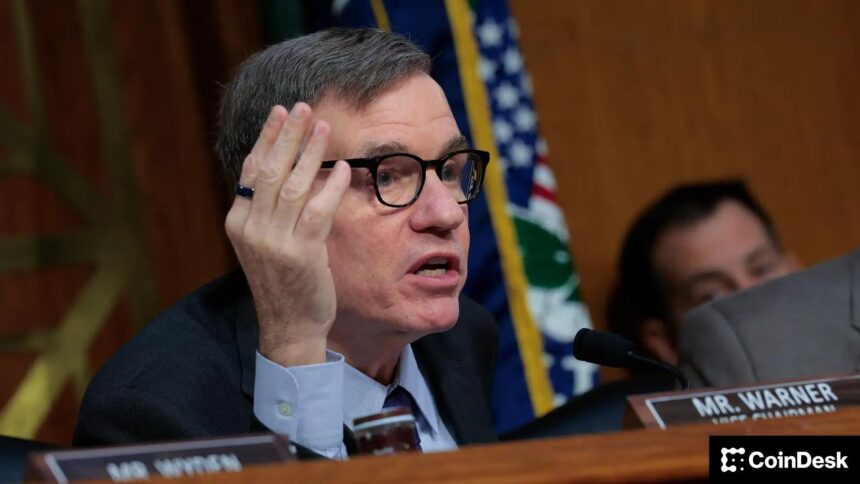
Senator Mark Warner, a key Democratic figure in the negotiations for the Digital Asset Market Clarity Act, remains hopeful about reaching a consensus. Warner stressed the importance of safely maneuvering through regulatory frameworks, particularly concerning decentralized finance (DeFi), which poses risks for illicit activities. His comments have occasionally unsettled industry leaders, as some perceive his cautious stance as a potential threat to the viability of DeFi projects. The discussions surrounding the bill’s approach to addressing illicit finance are still ongoing, with Warner stating, “We’ve got to make sure that we don’t set up a regime that allows bad actors or carves out enforcement.”
Senator Bernie Moreno, a Republican, echoed concerns about Congress’s inability to provide adequate legislative support for clear crypto regulations, aligning himself with Atkins’ frustrations. The SEC chairman maintains that his agency possesses considerable authority to establish foundational rules under his “Project Crypto” agenda, but he reiterated the need for legislative support to reinforce these regulations effectively.
In recent legislative moves, a similar version of the Clarity Act passed the House of Representatives last year, and another iteration recently advanced through the Senate Agriculture Committee. However, for a comprehensive market structure bill to pass the full Senate, it will require support from at least seven Democrats, highlighting the necessity of bipartisan cooperation.
While Senate Banking Committee Chairman Tim Scott expressed optimism regarding the Clarity Act, industry figures like Coinbase CEO Brian Armstrong indicate they are willing to withdraw support if policies do not align with industry needs. Additionally, Treasury Secretary Scott Bessent criticized segments of the crypto industry resistant to regulation, suggesting they might consider relocating to more lenient jurisdictions like El Salvador.
The urgency for a cohesive regulatory framework is pressing, with the White House urging negotiators to reach an agreement before the end of the month. As House Financial Services Committee Chairman French Hill noted, the countdown to finalize these discussions is underway, with significant implications for the future of the U.S. crypto landscape.